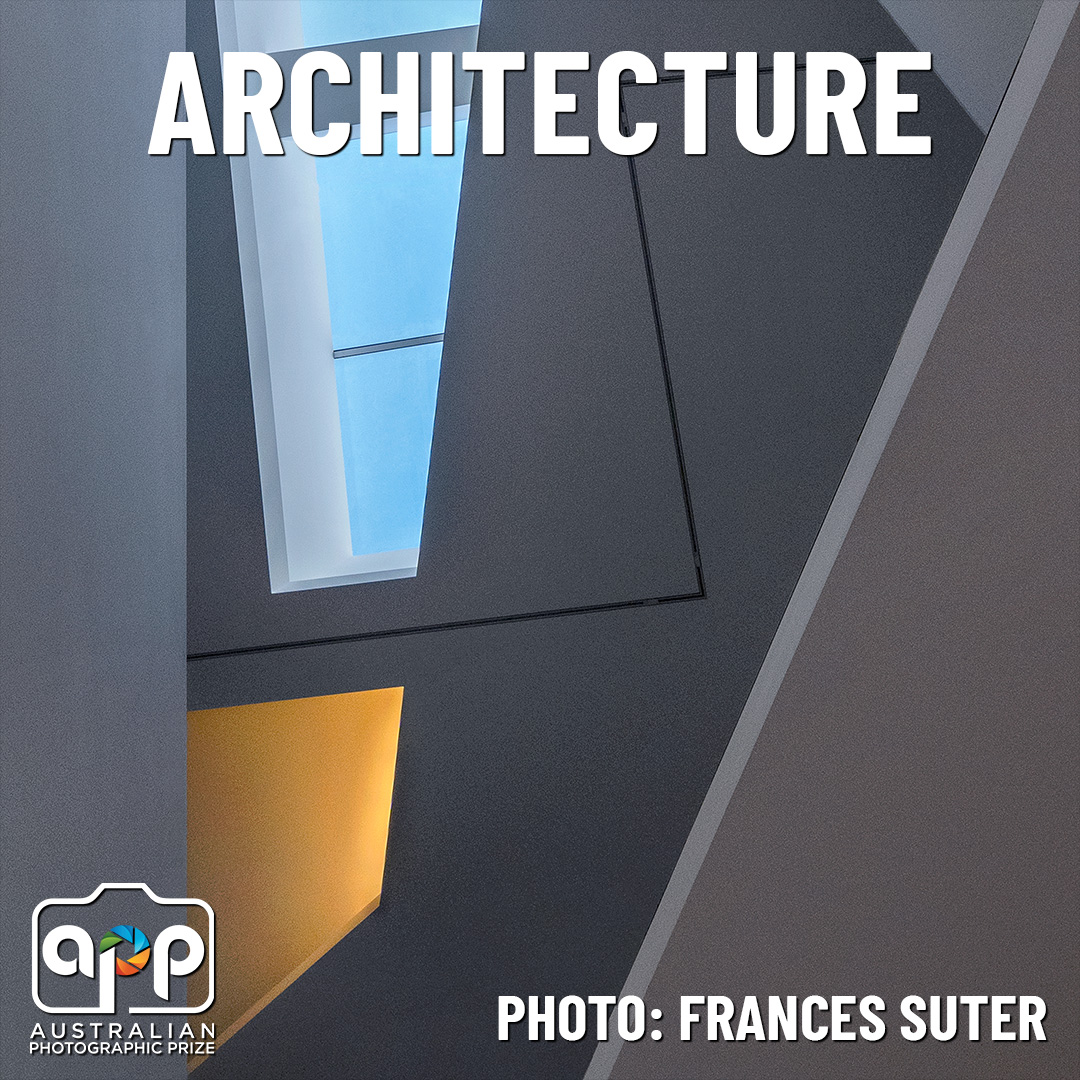
Images celebrating the design, form, and detail of architectural spaces, the exteriors and interiors that define our built environment.
Post Production Rules: Open
Urban, rural, historic, and abstract architecture are all welcome. The interplay of light, shadow, and geometry are central qualities of this category. Images may include people provided architecture remains the primary subject.
Entries where people are a dominant element may be better suited to the Commercial, Creative Portrait, or Documentary categories.
Title Up to 40 characters (Optional)
A title can help judges engage with your image by giving it meaning beyond what is immediately visible. For example, naming a place or moment for a landscape image, capturing an emotion or theme for a portrait, or providing cultural or historical significance for a documentary image. An effective title complements the image rather than describing what is already obvious. A short, evocative title is often more powerful than a literal or lengthy one. Many images are equally effective with a simple, straightforward title, or with no title at all.
Images in the Creative category may be of any subject and in any photographic genre.
Post Production Rules: Open
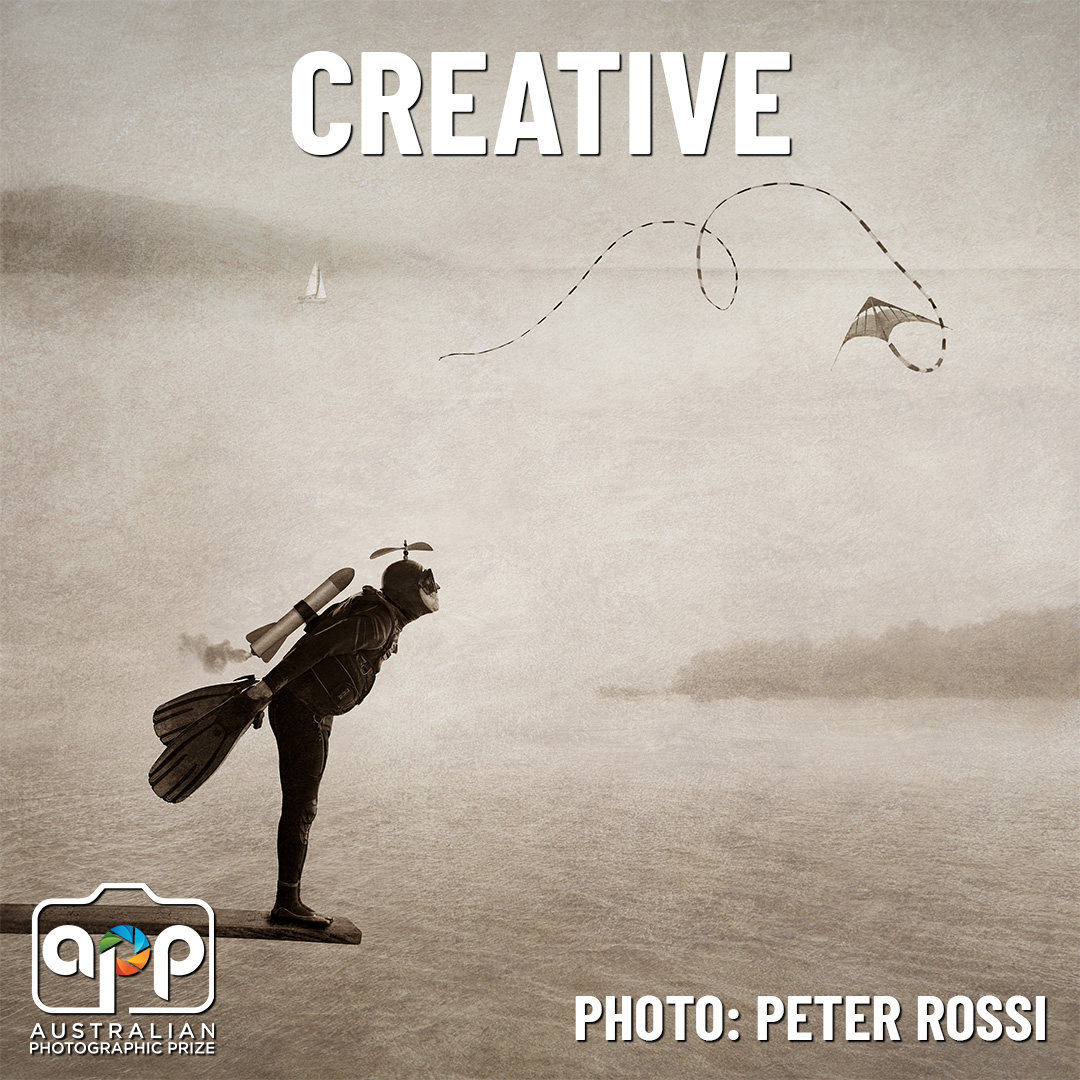
Images may be realistic, impressionistic, conceptual, pictorial, abstract or narrative works.
The full range of permitted in-camera and post-production techniques may be used, within the restrictions of the General Image Rules including in-camera techniques and compositing.
This category is most appropriate for images that do not fit in any other.
Title Up to 40 characters (Optional)
A title can help judges engage with your image by giving it meaning beyond what is immediately visible. For example, naming a place or moment for a landscape image, capturing an emotion or theme for a portrait, or providing cultural or historical significance for a documentary image. An effective title complements the image rather than describing what is already obvious. A short, evocative title is often more powerful than a literal or lengthy one. Many images are equally effective with a simple, straightforward title, or with no title at all.
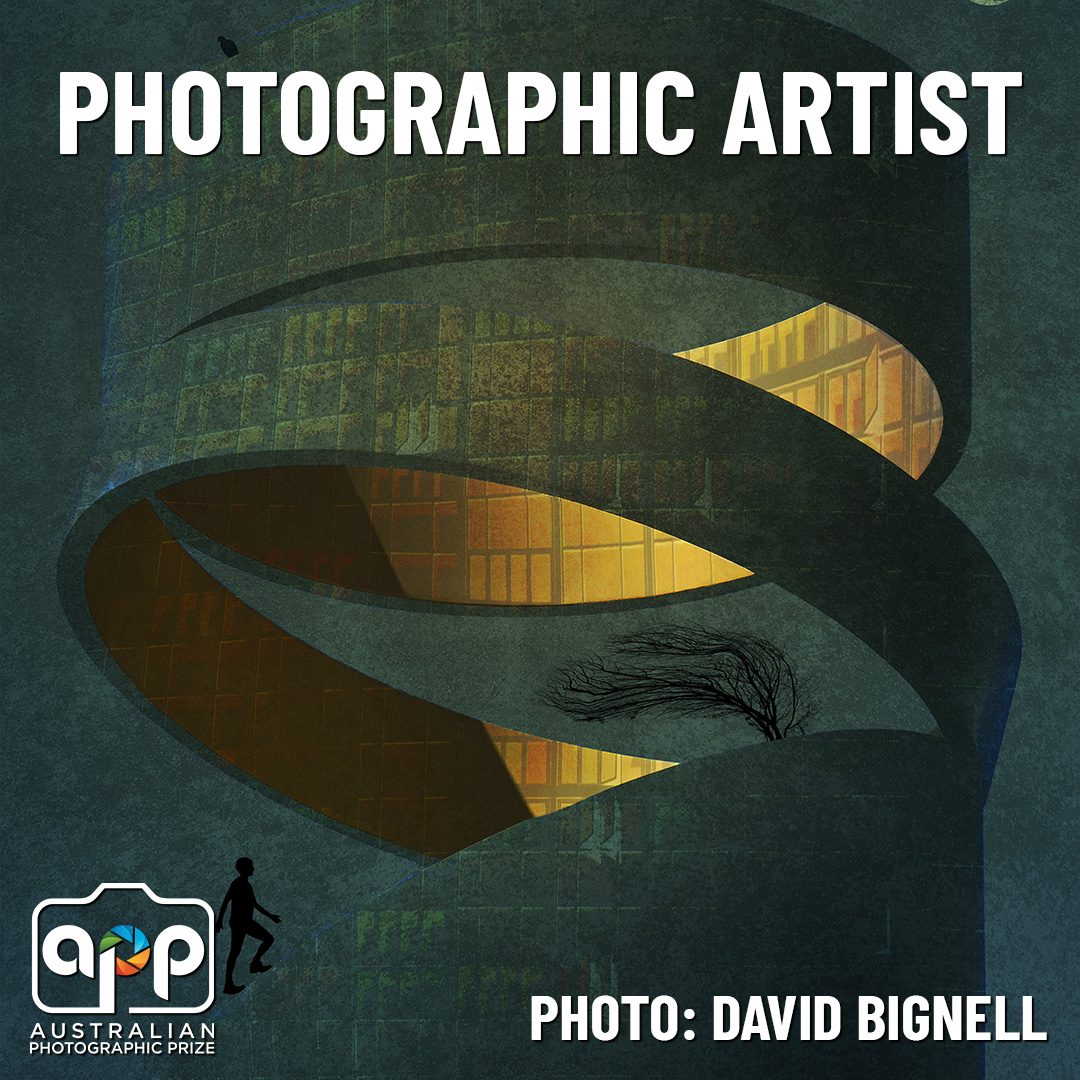
The Photographic Artist category celebrates the creativity and skill of composite photography across any genre or theme.
Post Production Rules: Open
While strong photographic and camera skills are essential, this category also recognises the post-production expertise required to craft a compelling composite image.
Unlike other categories, individual elements within the composite are not subject to the five year capture rule. However, the final artwork must have been completed on or after 1 January of the year five years before the close of entries. For the 2026 competition, this means on or after 1 January 2021.
Title Up to 40 characters (Optional)
A title can help judges engage with your image by giving it meaning beyond what is immediately visible. For example, naming a place or moment for a landscape image, capturing an emotion or theme for a portrait, or providing cultural or historical significance for a documentary image. An effective title complements the image rather than describing what is already obvious. A short, evocative title is often more powerful than a literal or lengthy one. Many images are equally effective with a simple, straightforward title, or with no title at all.
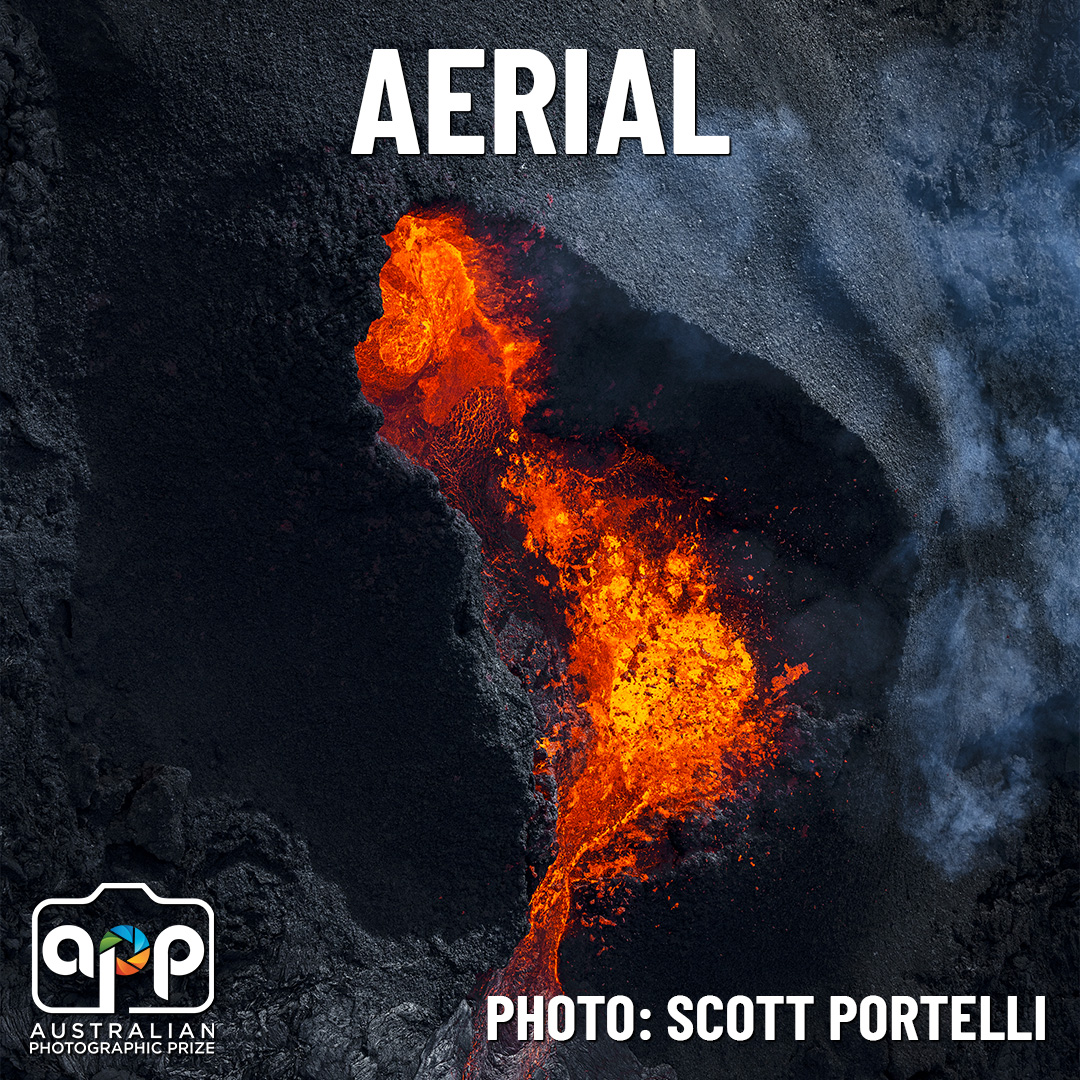
Images that reveal the colours, contours, textures, and patterns of outdoor environments from a perspective not visible from ground level.
Post Production Rules: Classic
Images taken from an elevated vantage point that meaningfully changes how the landscape is seen, including from drones, aircraft or helicopters.
Images may include people or manmade elements.
Images taken by drones must comply with the local regulations. Images captured in Australia must abide by CASA rules, including below a maximum altitude of 120 metres. See https://www.casa.gov.au/knowyourdrone/drone-rules
Images that do not conform to Classic post production rules (for example, images with creative composite techniques) may be better suited to the Creative Landscape category.
Title Up to 40 characters (Optional)
A title can help judges engage with your image by giving it meaning beyond what is immediately visible. For example, naming a place or moment for a landscape image, capturing an emotion or theme for a portrait, or providing cultural or historical significance for a documentary image. An effective title complements the image rather than describing what is already obvious. A short, evocative title is often more powerful than a literal or lengthy one. Many images are equally effective with a simple, straightforward title, or with no title at all.
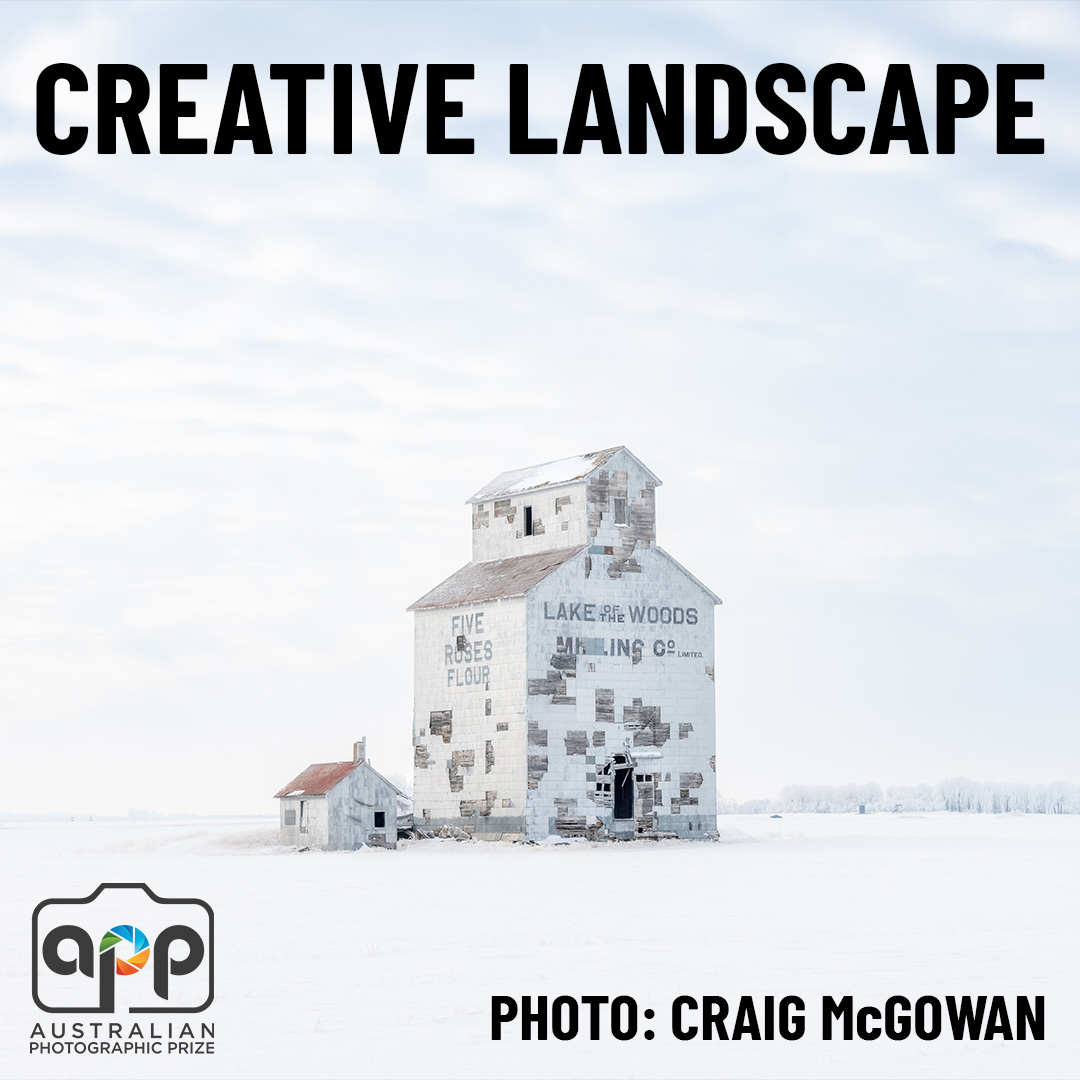
Images celebrating the environment, showcasing the spaces and scenery of the natural world, where creative post-production may form part of the final image.
Post Production Rules: Open
Images often convey the scale, atmosphere, and essence of a particular place, including landforms, water bodies, and atmospheric conditions.
Images may include animals, people or manmade elements.
Aerial images conforming to Classic post production rules should be entered in the Aerial category. Landscape Images with only basic post-production may be better suited to the Natural Landscape category.
Title Up to 40 characters (Optional)
A title can help judges engage with your image by giving it meaning beyond what is immediately visible. For example, naming a place or moment for a landscape image, capturing an emotion or theme for a portrait, or providing cultural or historical significance for a documentary image. An effective title complements the image rather than describing what is already obvious. A short, evocative title is often more powerful than a literal or lengthy one. Many images are equally effective with a simple, straightforward title, or with no title at all.
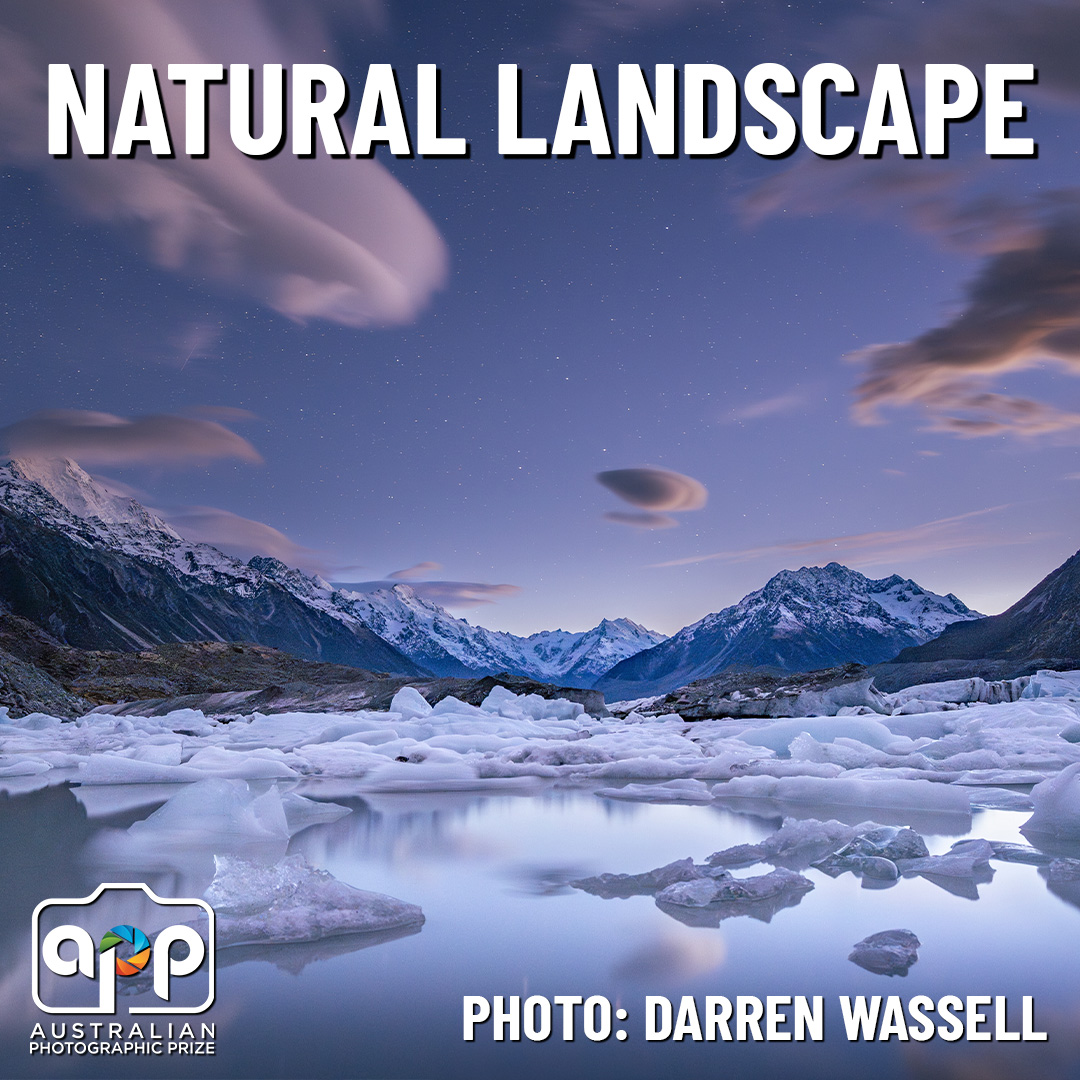
Images celebrating the authentic beauty of the natural environment, showcasing the spaces and scenery of the natural world.
Post Production Rules: Single Capture
Images conveying the scale, atmosphere, and essence of a particular place, including landforms, water bodies, seascapes and atmospheric conditions.
Animals, people, and man-made elements are permitted provided the primary emphasis remains on the natural scenery.
Images where man-made elements are dominant may be more appropriate in the Creative Landscape category.
Images of tree sized or smaller scenes may be more suited to the Nature category
Aerial images should be entered in the Aerial category.
Title Up to 40 characters (Optional)
A title can help judges engage with your image by giving it meaning beyond what is immediately visible. For example, naming a place or moment for a landscape image, capturing an emotion or theme for a portrait, or providing cultural or historical significance for a documentary image. An effective title complements the image rather than describing what is already obvious. A short, evocative title is often more powerful than a literal or lengthy one. Many images are equally effective with a simple, straightforward title, or with no title at all.
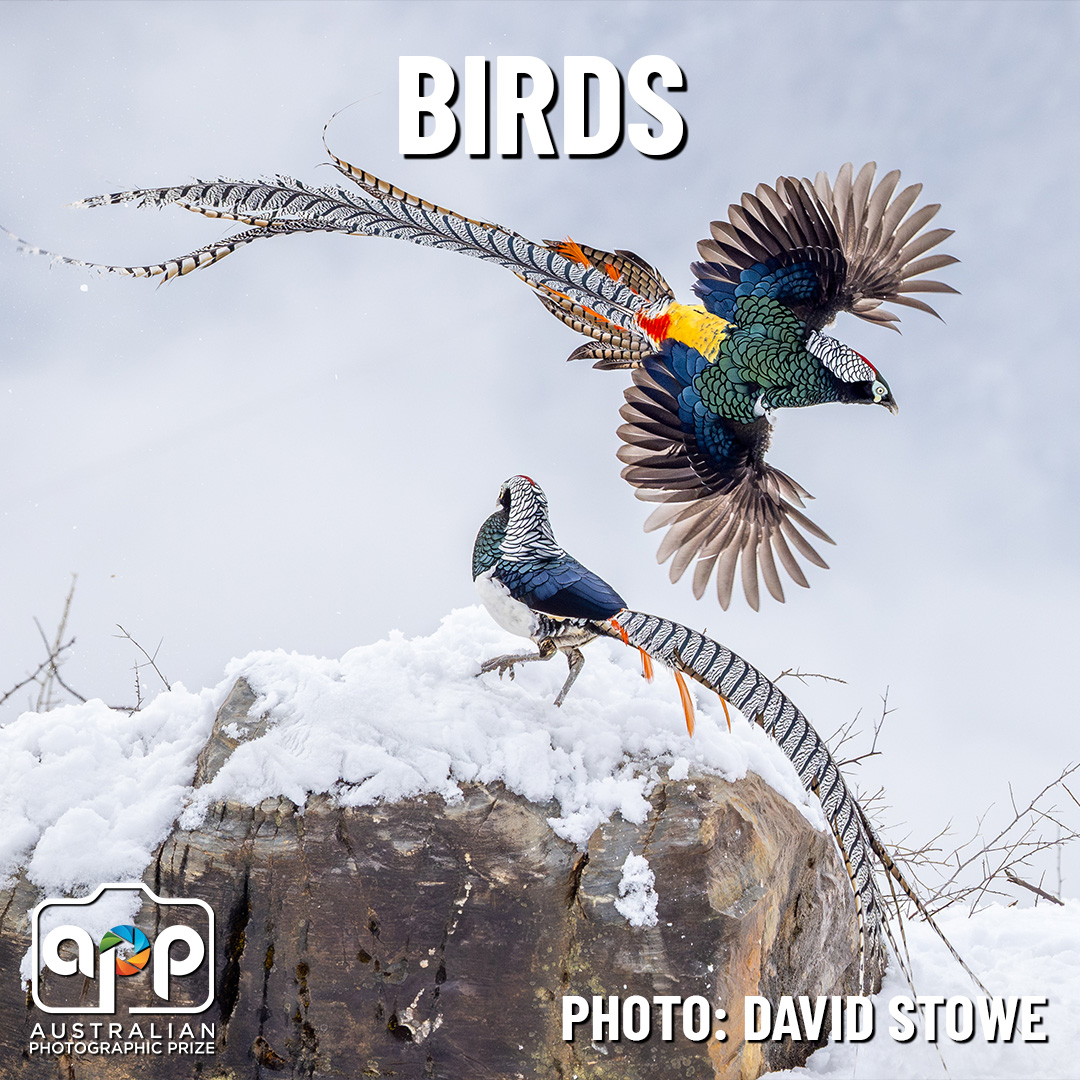
Images showcasing the beauty of birds and character of birds in the world around us.
Post Production Rules: Single Capture
Images must be of living birds, captured in any environment where they are naturally found, including managed environments such as wildlife centres. Minor man-made elements are permitted provided they do not dominate the image. Human subjects are not permitted.
Images must not be of taxidermied or deceased animals.
Images must not portray any form of organised or intentional cruelty, the use of bait or lures, or deliberate disturbance of nesting birds.
Images that do feature taxidermied or deceased birds may be better suited in the Creative category.
Title Up to 40 characters (Optional)
A title can help judges engage with your image by giving it meaning beyond what is immediately visible. For example, naming a place or moment for a landscape image, capturing an emotion or theme for a portrait, or providing cultural or historical significance for a documentary image. An effective title complements the image rather than describing what is already obvious. A short, evocative title is often more powerful than a literal or lengthy one. Many images are equally effective with a simple, straightforward title, or with no title at all.Name, Species, Location Up to 80 characters (Optional)
Common name or species of the bird and location
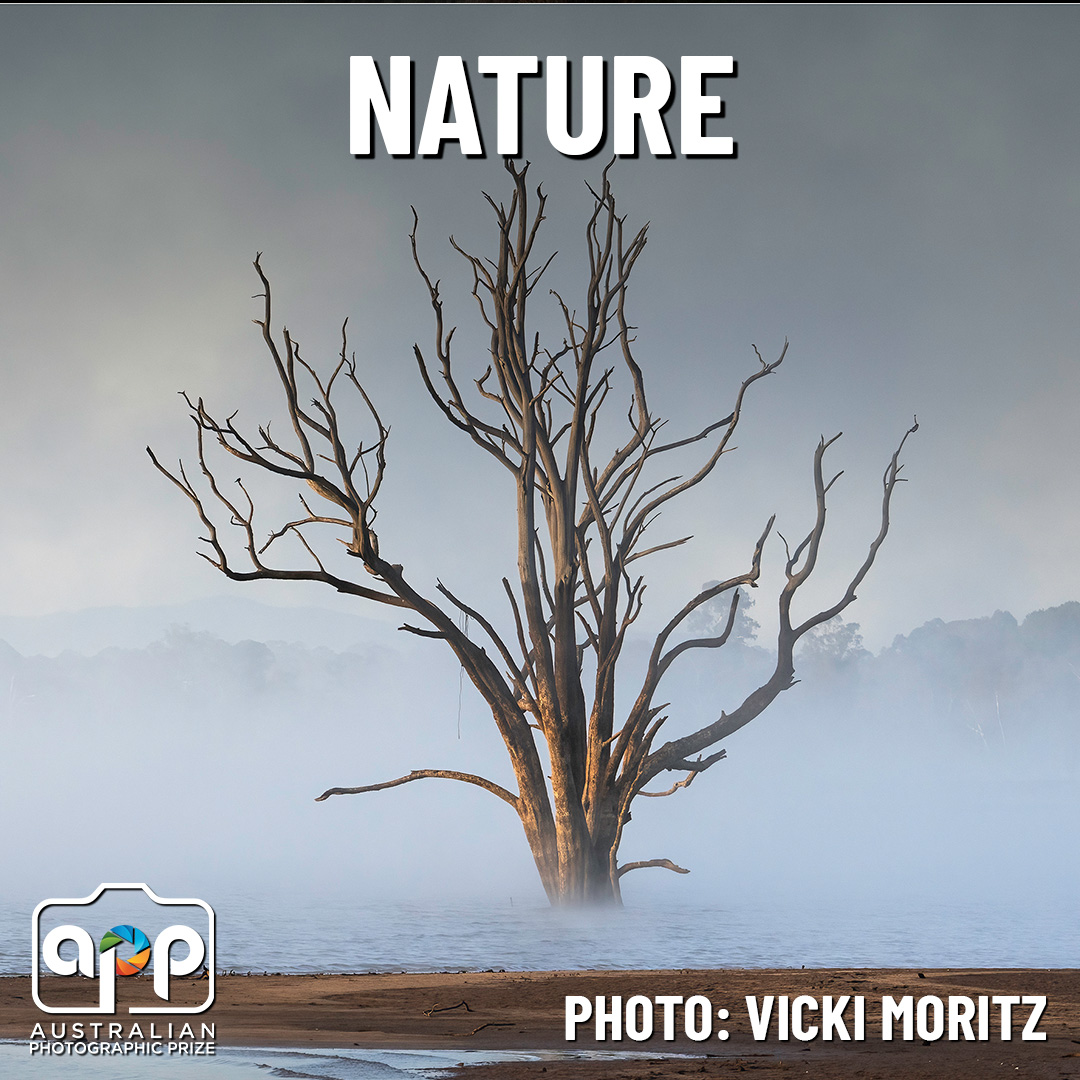
Images that celebrate the beauty of natural elements found in the outdoors.
Post Production Rules: Single Capture
Nature images must convey the truth of the scene as captured. They should be of tree-sized or smaller elements of the natural environment. Subjects may include insects, plants, fungi, rocks, flowers, and other natural elements. Minor man-made elements are permitted provided they do not dominate the image. Human subjects are not permitted.
Where colour adjustments have been made, colours must appear natural.
Images must not be taken in a way that disturbs, stages, or harms the subject or environment.
Images of vast outdoor spaces may be better suited to the Natural Landscape category. Images featuring dominant man-made elements, human subjects, or requiring more extensive post-production may be better suited to the Creative Landscape category.
Title Up to 40 characters (Optional)
A title can help judges engage with your image by giving it meaning beyond what is immediately visible. For example, naming a place or moment for a landscape image, capturing an emotion or theme for a portrait, or providing cultural or historical significance for a documentary image. An effective title complements the image rather than describing what is already obvious. A short, evocative title is often more powerful than a literal or lengthy one. Many images are equally effective with a simple, straightforward title, or with no title at all.Subject and location Up to 80 characters (Optional)
Common name or species of the subject and the location
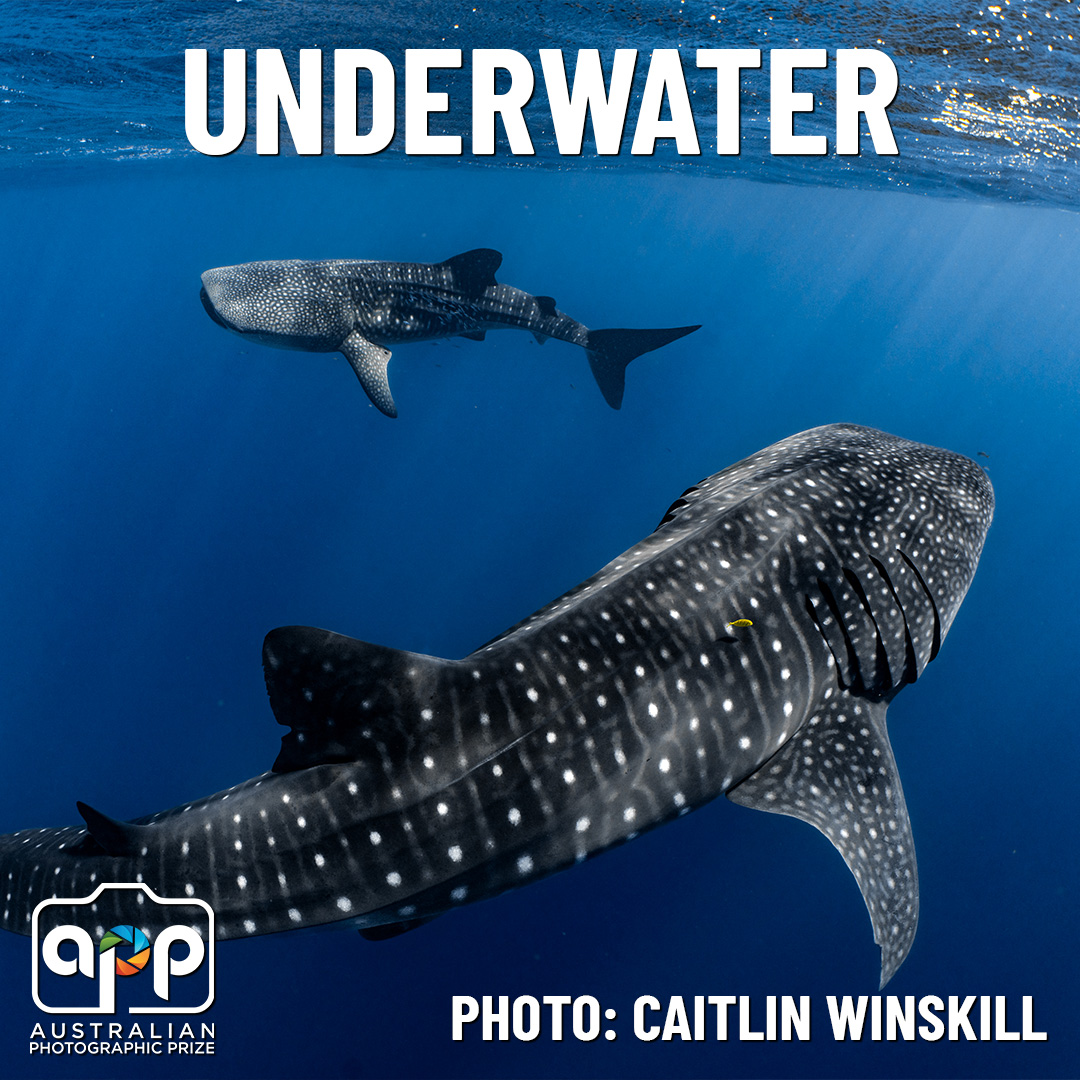
Images showcasing life underwater.
Post Production Rules: Classic.
Images must be captured wholly or partially underwater, whether ocean or fresh water.
Subjects should be wildlife in a natural aquatic environment such as open ocean, rivers, reefs and shipwrecks.
Minor, localised removal of backscatter artifacts (seagrass, other small floaties or organisms) is permitted only where it does not alter the underlying image content or compromise the authentic capture of the moment as it happened.
Images may include humans, provided the primary emphasis is on marine life.
Title Up to 40 characters (Optional)
A title can help judges engage with your image by giving it meaning beyond what is immediately visible. For example, naming a place or moment for a landscape image, capturing an emotion or theme for a portrait, or providing cultural or historical significance for a documentary image. An effective title complements the image rather than describing what is already obvious. A short, evocative title is often more powerful than a literal or lengthy one. Many images are equally effective with a simple, straightforward title, or with no title at all.
Name, Species, Location Up to 80 characters (Optional)
Common name or species of the marine life and location
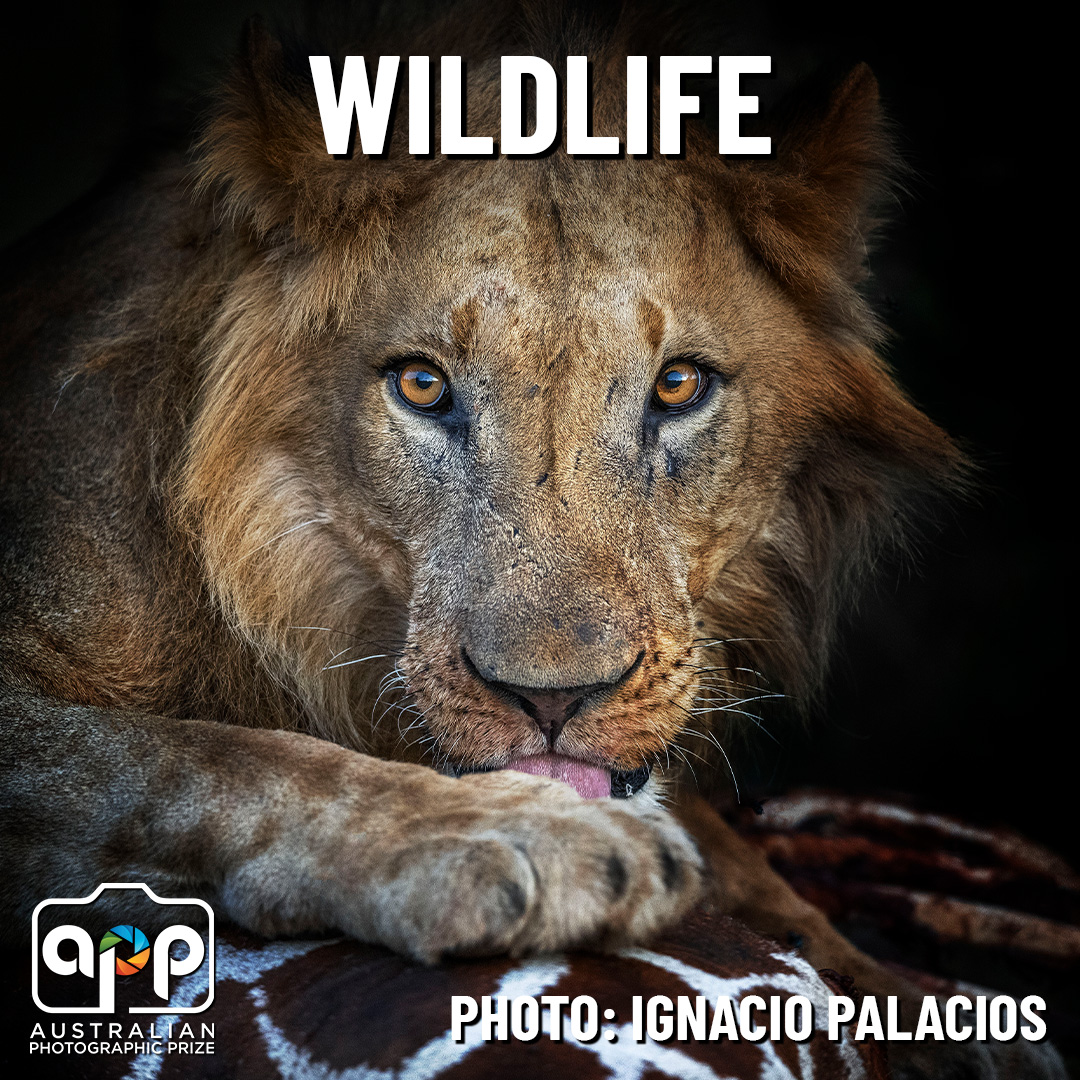
Images authentically depicting wild animals in their natural or managed environments.
Post Production Rules: Single Capture
Images may be captured in any environment where wildlife is found, including zoos and wildlife rescue centres. Minor man-made elements are permitted provided they do not dominate the image. Human subjects are not permitted. Where colour adjustments have been made, colours must appear natural.
Images must not depict any form of organised or intentional cruelty, or be taken in a way that disturbs, stresses, or causes harm to the animal or its habitat.
Birds must be entered in the Birds category and marine life in the Underwater category. Insects and invertebrates may be better suited to the Nature or Macro categories.
Title Up to 40 characters (Optional)
A title can help judges engage with your image by giving it meaning beyond what is immediately visible. For example, naming a place or moment for a landscape image, capturing an emotion or theme for a portrait, or providing cultural or historical significance for a documentary image. An effective title complements the image rather than describing what is already obvious. A short, evocative title is often more powerful than a literal or lengthy one. Many images are equally effective with a simple, straightforward title, or with no title at all.Name, Species, Location Up to 80 characters (Optional)
Common name or species of the animal and location
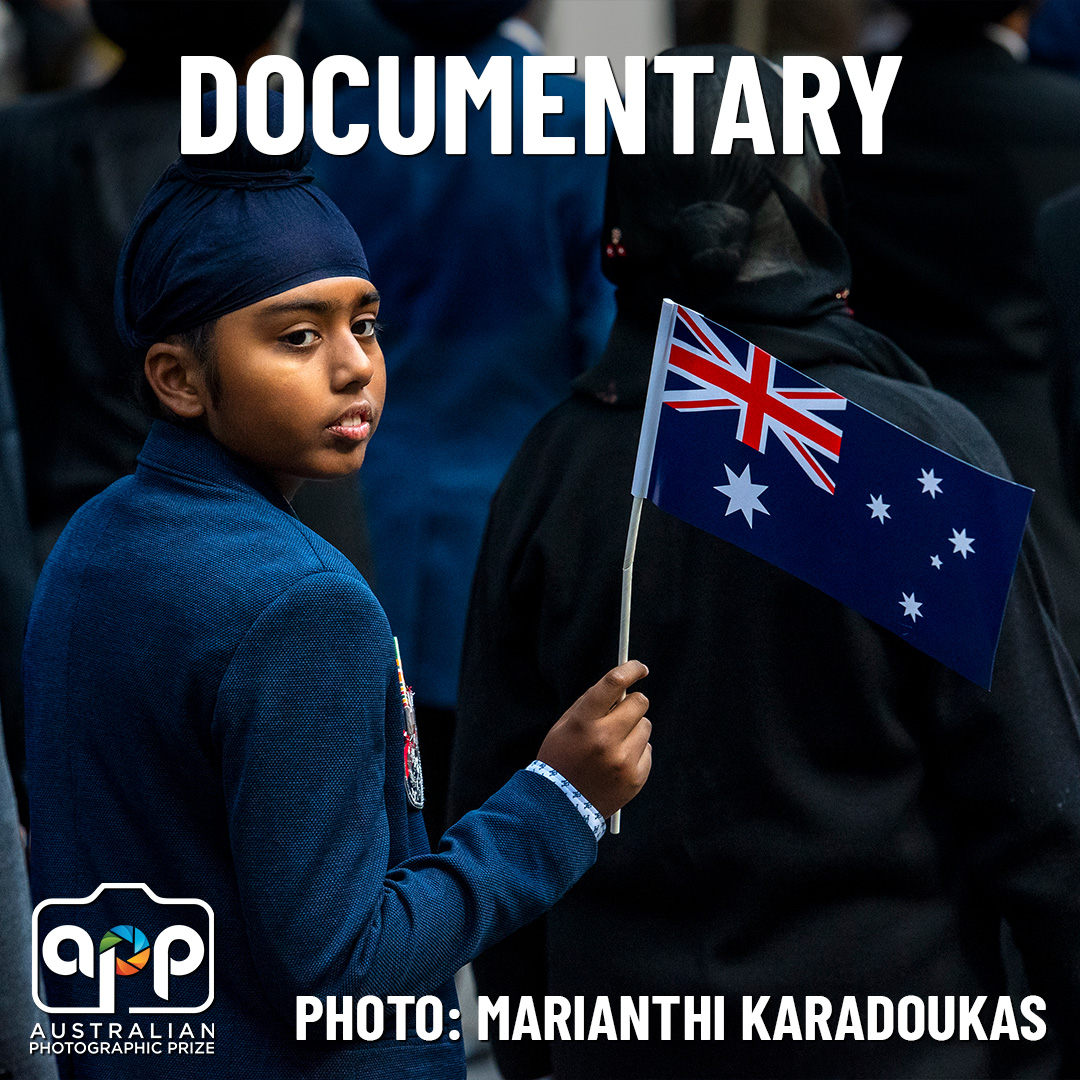
Images telling authentic visual stories of events such as daily life, newsworthy incidents, parties, births, funerals, and other significant life events.
Post Production Rules: Single Capture
Images must not be staged, contrived, re-created, or manipulated in a way that alters the truth of the scene. Subjects must be treated with dignity and respect, adhering to ethical standards that ensure the entrant causes no physical or psychological harm.
Images of weddings or wedding-related events may be better suited to the Wedding category.
Title Up to 40 characters (Optional)
A title can help judges engage with your image by giving it meaning beyond what is immediately visible. For example, naming a place or moment for a landscape image, capturing an emotion or theme for a portrait, or providing cultural or historical significance for a documentary image. An effective title complements the image rather than describing what is already obvious. A short, evocative title is often more powerful than a literal or lengthy one. Many images are equally effective with a simple, straightforward title, or with no title at all.Context Statement Up to 80 characters (Optional)
Context statements can help judges understand the image by giving required context, for example, identifying the animal and the environment for a wildlife image, explaining the product and usage for a commercial image, or providing a location and event details for a documentary image. An effective context statement complements the image by providing relevant information without restating what is obvious in the image. A brief, concise context statement is often more effective than a wordy statement. Many images are effective without a context statement.
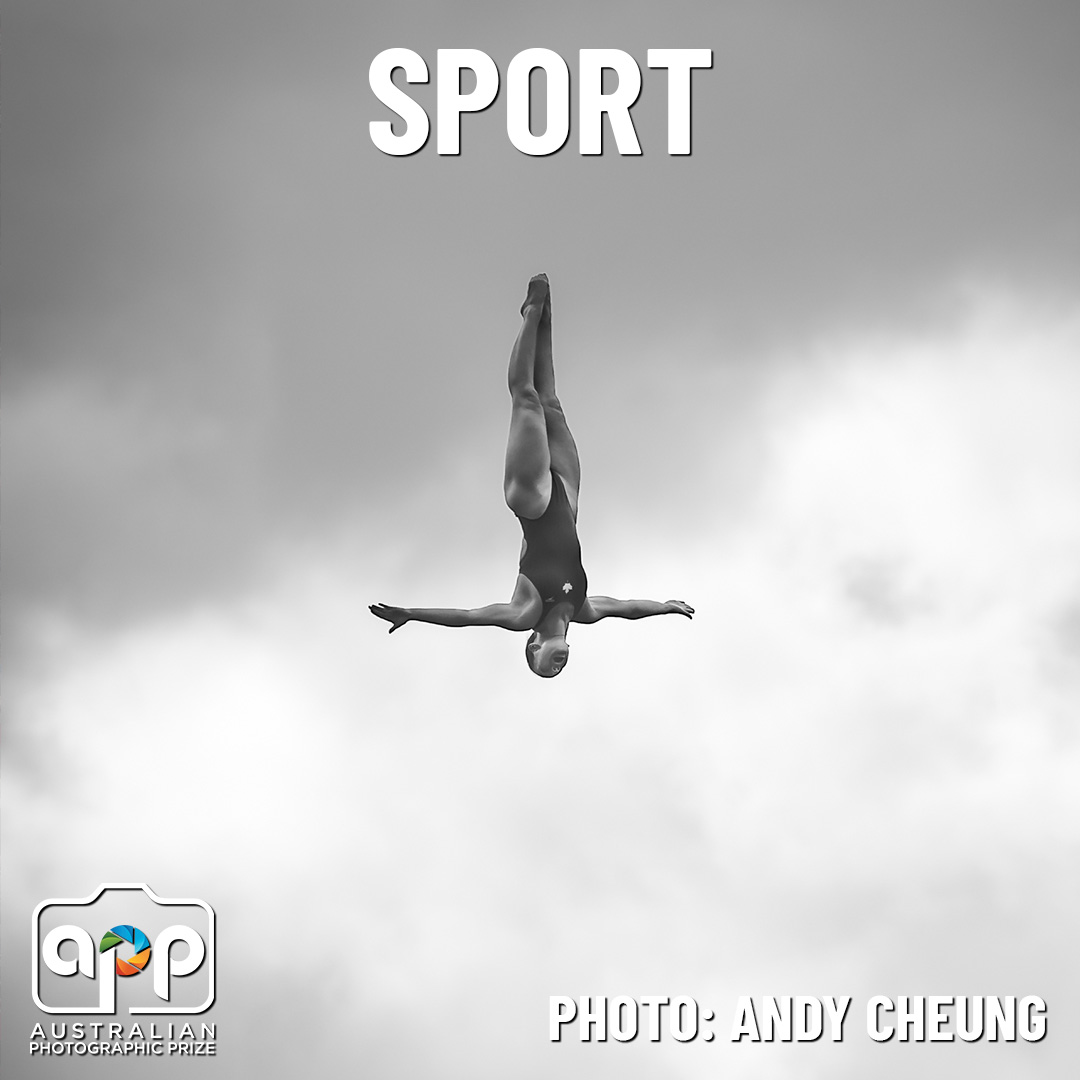
Images capturing the passion, emotion, and athleticism of athletic activities and sports of all grades and codes.
Post Production Rules: Classic
Images may depict sporting and athletic activities at all levels, from recreational and community sport to elite competition, across all codes and disciplines.
Images must feature human sporting or athletic activity.
Images may include participants, spectators, support personnel, and sporting environments.
Images must not be staged or contrived.
Images where the animal is the athlete may be better suited to the Documentary category
Title Up to 40 characters (Optional)
A title can help judges engage with your image by giving it meaning beyond what is immediately visible. For example, naming a place or moment for a landscape image, capturing an emotion or theme for a portrait, or providing cultural or historical significance for a documentary image. An effective title complements the image rather than describing what is already obvious. A short, evocative title is often more powerful than a literal or lengthy one. Many images are equally effective with a simple, straightforward title, or with no title at all.Context Statement Up to 80 characters (Optional)
Context statements can help judges understand the image by giving required context, for example, identifying the animal and the environment for a wildlife image, explaining the product and usage for a commercial image, or providing a location and event details for a documentary image. An effective context statement complements the image by providing relevant information without restating what is obvious in the image. A brief, concise context statement is often more effective than a wordy statement. Many images are effective without a context statement.
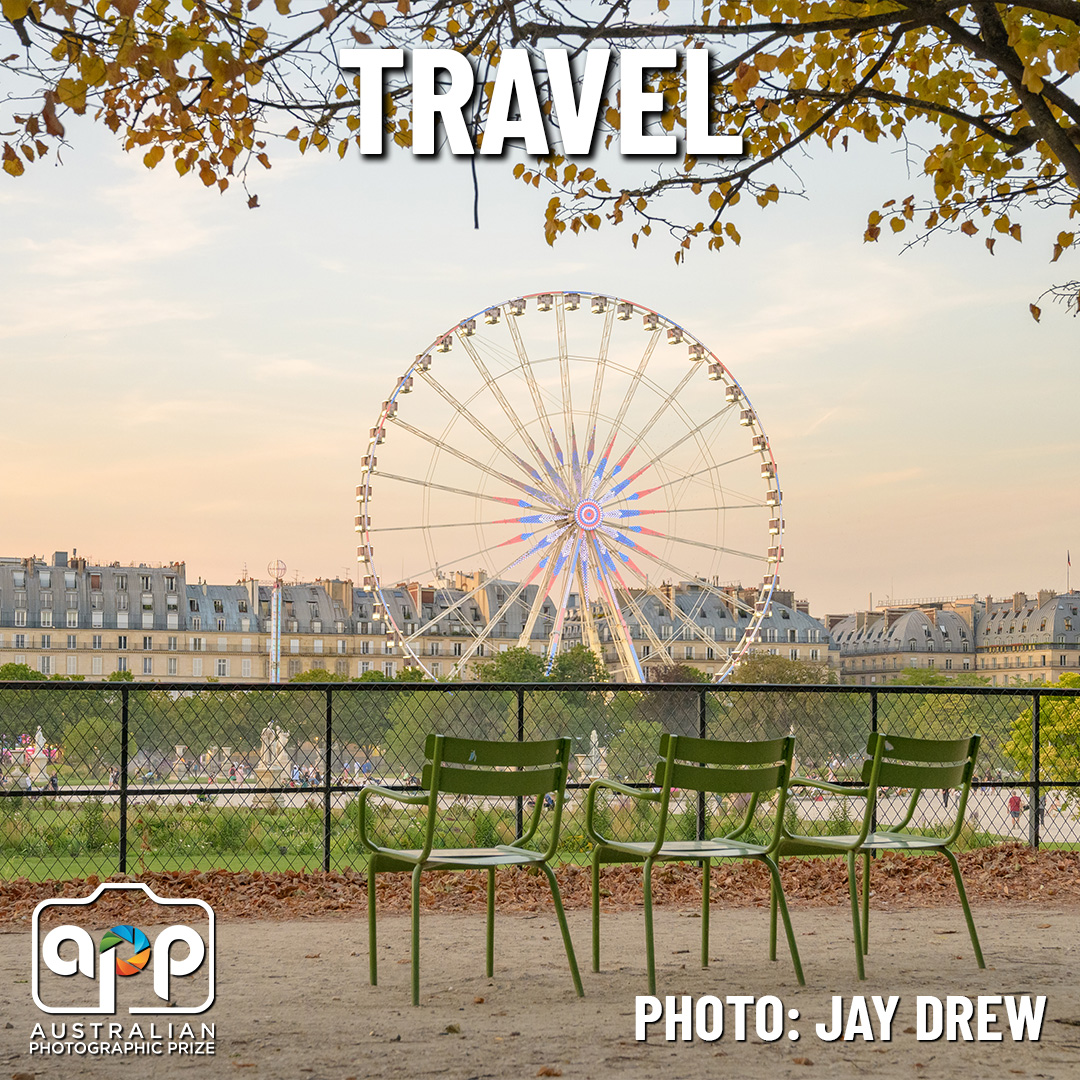
Images that convey an essence of place, people, or cultural encounters.
Post Production Rules: Single Capture
Travel images usually evoke the atmosphere, character and uniqueness of a location and its experiences. Examples may include street life, local culture, food, architecture, or the natural environment.
Images may be taken in any place one could travel to, including an entrant's own local environment.
Images where post-production is within the Open post production group rules may be better suited to the Creative category.
Title Up to 40 characters (Optional)
A title can help judges engage with your image by giving it meaning beyond what is immediately visible. For example, naming a place or moment for a landscape image, capturing an emotion or theme for a portrait, or providing cultural or historical significance for a documentary image. An effective title complements the image rather than describing what is already obvious. A short, evocative title is often more powerful than a literal or lengthy one. Many images are equally effective with a simple, straightforward title, or with no title at all.
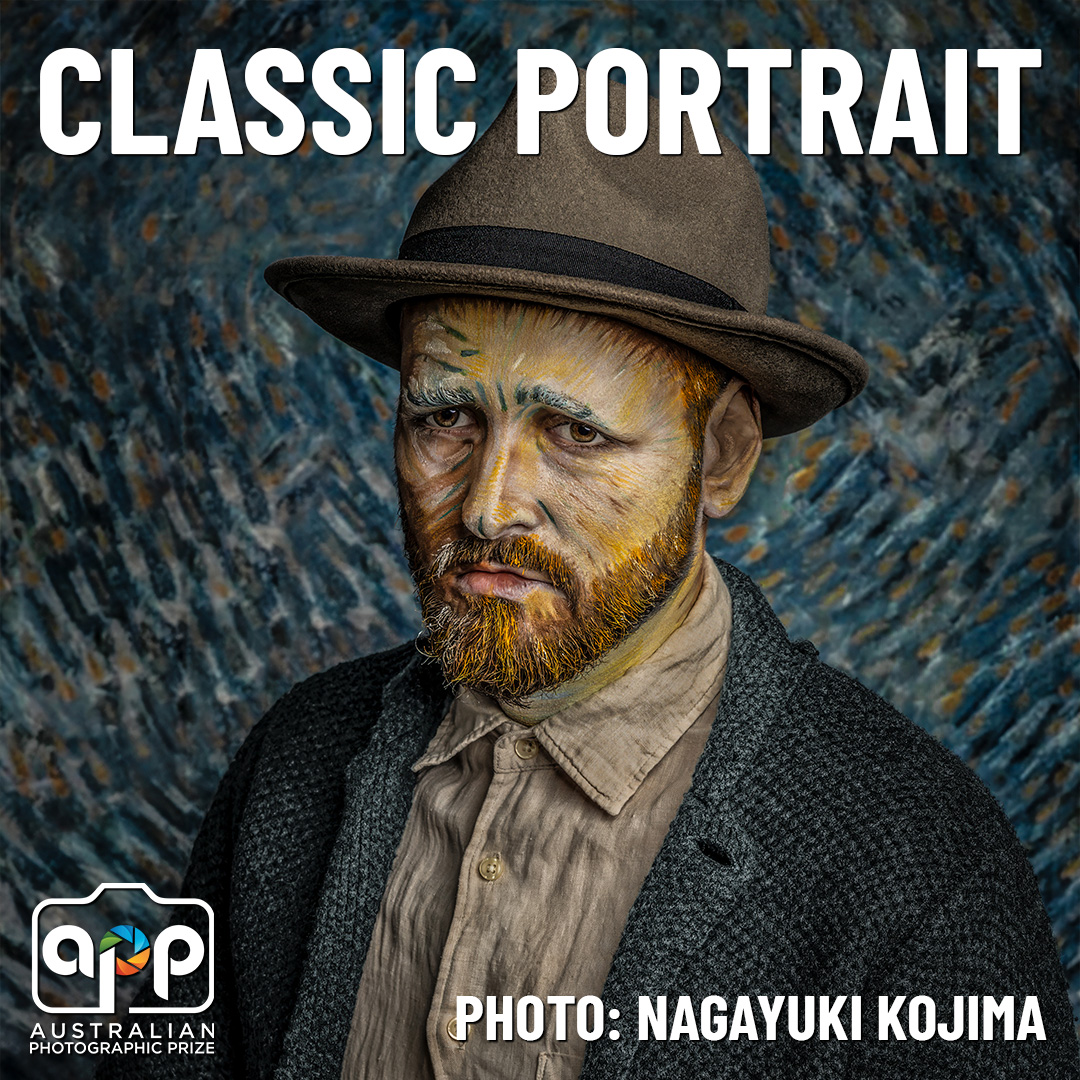
Images that capture a subject's essence, personality, or story.
Post Production Rules: Classic
Each image must feature at least one living human being.
Each image must feature at least one living human being as the primary subject.
Both posed and candid approaches are welcome.
Entries featuring heavily styled, transformed, or creative treatments may be better suited to the Creative Portrait category. Entries featuring animals may be better suited to the Pet and Animal category, and entries featuring larger groups may be better suited to the Family category.
Images of animals may be more appropriate for the Pet and Animal category.
Images of a larger group of people may be more appropriate for the Family category.
Title Up to 40 characters (Optional)
A title can help judges engage with your image by giving it meaning beyond what is immediately visible. For example, naming a place or moment for a landscape image, capturing an emotion or theme for a portrait, or providing cultural or historical significance for a documentary image. An effective title complements the image rather than describing what is already obvious. A short, evocative title is often more powerful than a literal or lengthy one. Many images are equally effective with a simple, straightforward title, or with no title at all.
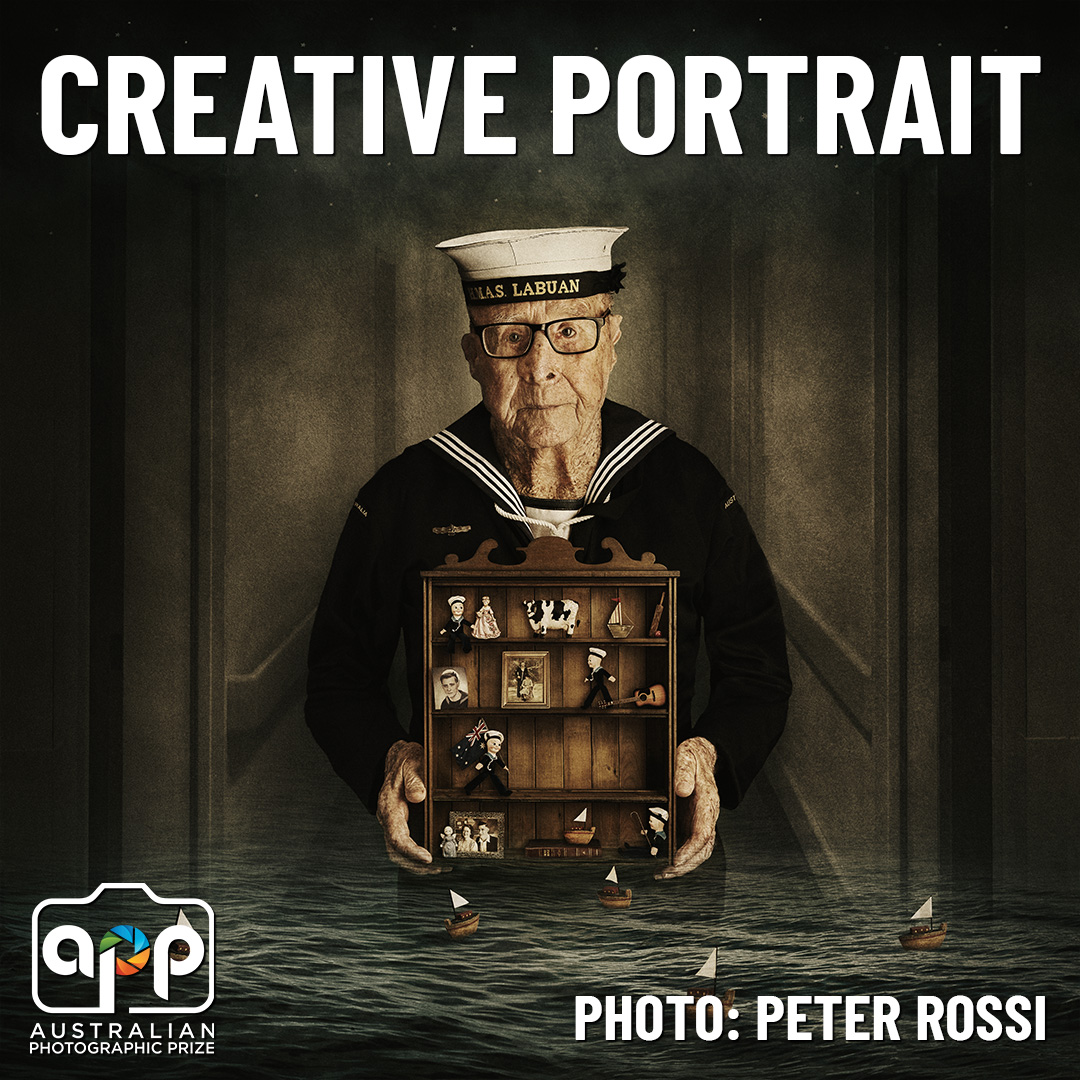
Images that capture a subject's essence, personality, or story.
Post Production Rules: Open
Each image must feature at least one living human being as the primary subject and can range from candid moments to formal portraits of individuals, families, or groups.
Extensive styling, creative techniques, specialised makeup, and props are welcome. Post-production, including compositing, may form an essential part of the final image.
Images with animals may be more suited to the Pet and Animal category.
Images of a larger group of people may be more appropriate for the Family category.
Title Up to 40 characters (Optional)
A title can help judges engage with your image by giving it meaning beyond what is immediately visible. For example, naming a place or moment for a landscape image, capturing an emotion or theme for a portrait, or providing cultural or historical significance for a documentary image. An effective title complements the image rather than describing what is already obvious. A short, evocative title is often more powerful than a literal or lengthy one. Many images are equally effective with a simple, straightforward title, or with no title at all.
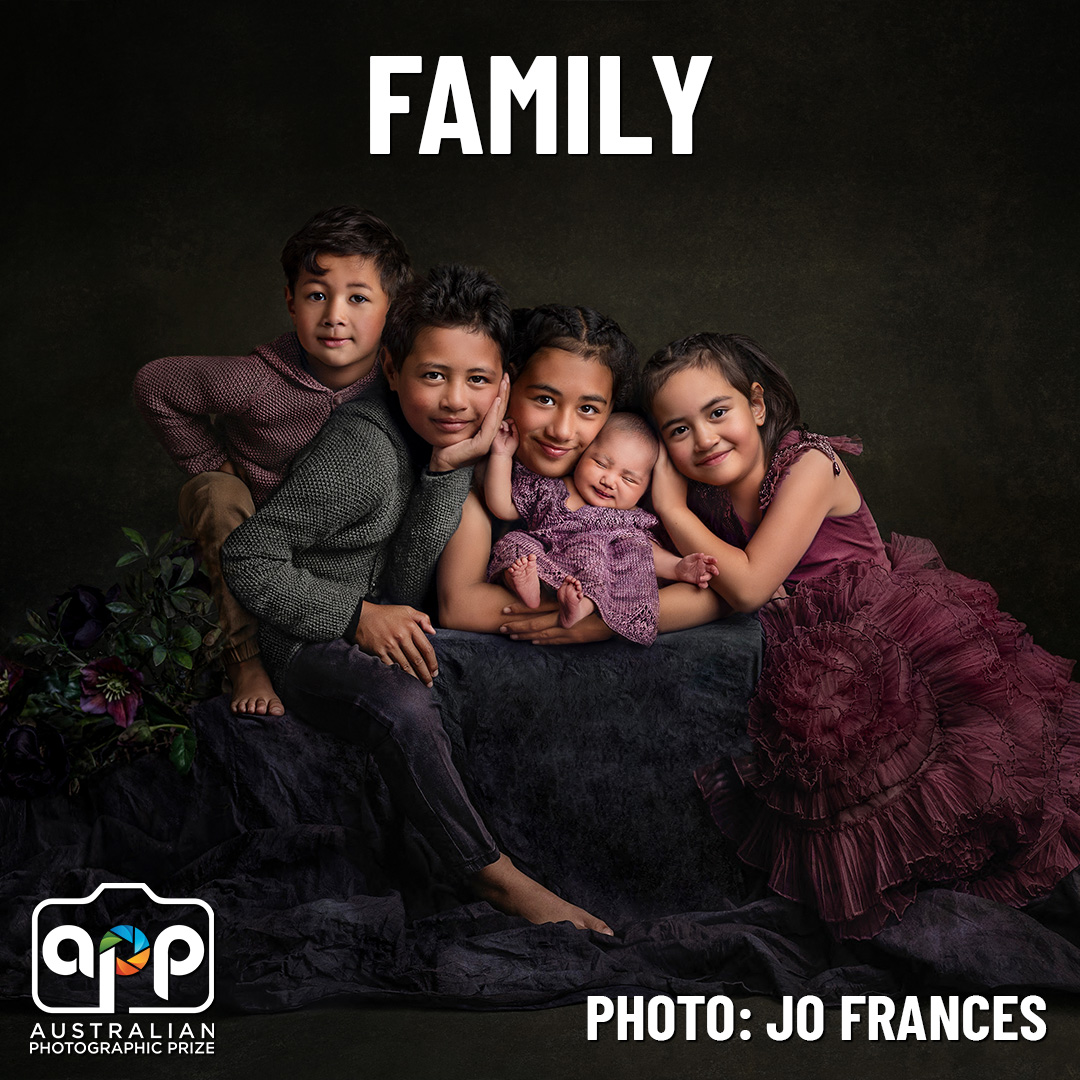
Images containing two or more individuals sharing a close emotional bond.
Post Production Rules: Classic
Images of two or more humans which capture moments that highlight human connection, love, and intimacy, whether between partners, parents, children, grandparents, friends, or chosen family. Animals are welcome as part of the family group provided at least two human subjects are present.
Images that feature pregnancy would be more appropriate in the Maternity category.
Title Up to 40 characters (Optional)
A title can help judges engage with your image by giving it meaning beyond what is immediately visible. For example, naming a place or moment for a landscape image, capturing an emotion or theme for a portrait, or providing cultural or historical significance for a documentary image. An effective title complements the image rather than describing what is already obvious. A short, evocative title is often more powerful than a literal or lengthy one. Many images are equally effective with a simple, straightforward title, or with no title at all.
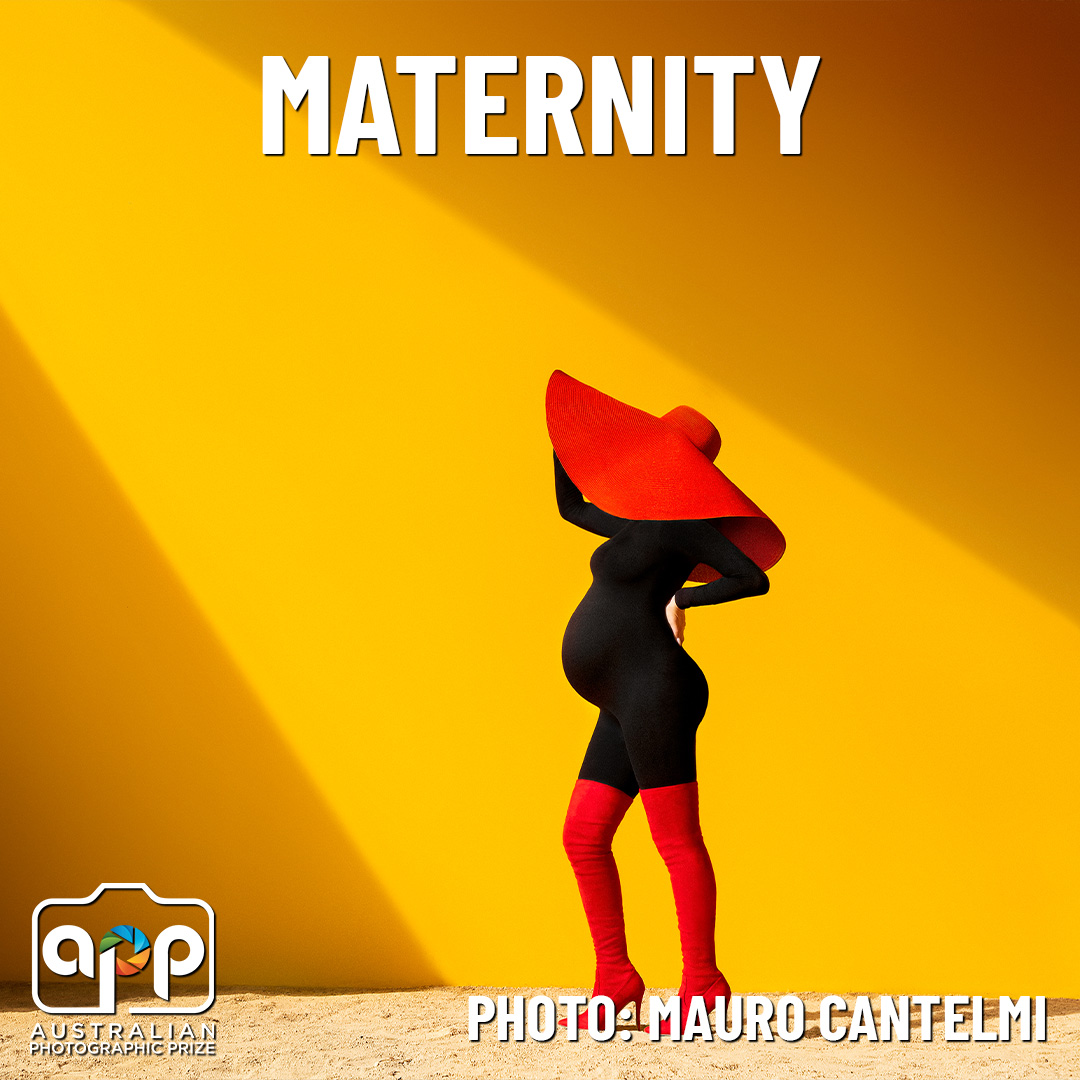
Images that explore the experience of genuine human pregnancy, celebrating the beauty, strength, and emotion of this significant life stage.
Post Production Rules: Open
Images may be taken in any setting, including studio or outdoor environments, and may include partners, family members, or existing children provided the pregnancy remains the primary subject.
Images featuring post-pregnancy subjects are not eligible in this category and should be entered in the Newborn or Family category depending on their primary subject matter. Birth photography may be better suited in the Documentary category.
Title Up to 40 characters (Optional)
A title can help judges engage with your image by giving it meaning beyond what is immediately visible. For example, naming a place or moment for a landscape image, capturing an emotion or theme for a portrait, or providing cultural or historical significance for a documentary image. An effective title complements the image rather than describing what is already obvious. A short, evocative title is often more powerful than a literal or lengthy one. Many images are equally effective with a simple, straightforward title, or with no title at all.
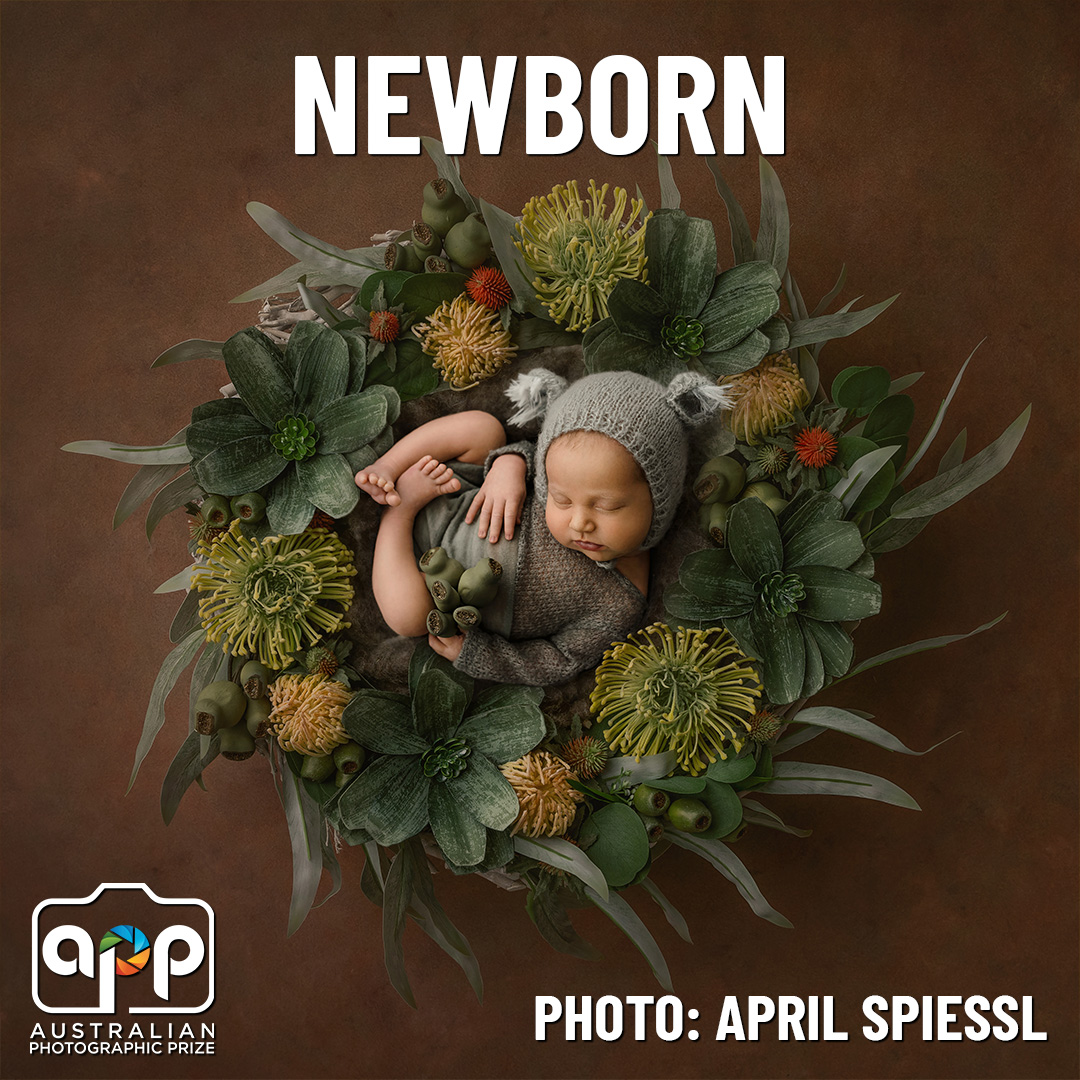
Images showcasing a newborn through posed or candid portraits, artistic compositions, or creative styling.
Post Production Rules: Open
Images where the primary emphasis is on one or more live human babies up to six weeks of age, or corrected age of six weeks in the case of premature births.
This category welcomes a variety of styles including posed, lifestyle, creative, and documentary. Images may include secondary elements that provide context and story, such as other people, animals, or props.
Subjects must not be in distress, discomfort, or situations that compromise their welfare.
Images must not contain AI generated or purchased digital backgrounds as outlined in the General Image Rules.
Title Up to 40 characters (Optional)
A title can help judges engage with your image by giving it meaning beyond what is immediately visible. For example, naming a place or moment for a landscape image, capturing an emotion or theme for a portrait, or providing cultural or historical significance for a documentary image. An effective title complements the image rather than describing what is already obvious. A short, evocative title is often more powerful than a literal or lengthy one. Many images are equally effective with a simple, straightforward title, or with no title at all.
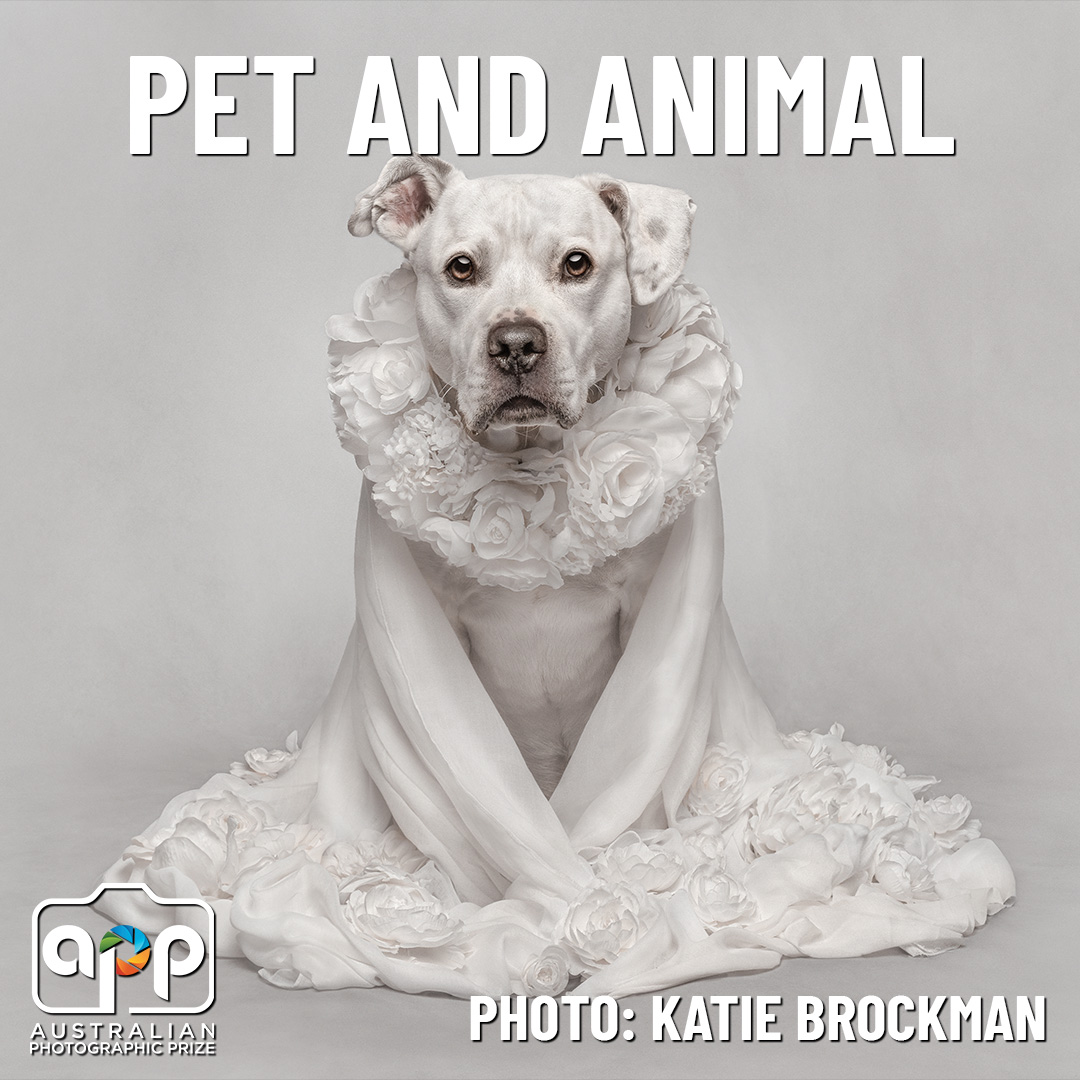
Images showcasing the appearance, essence, personality, and/or behaviour of a pet or animal.
Post Production Rules: Open
Images may include humans, provided the primary emphasis is on the pet or animal.
Images must not be of taxidermied or deceased animals.
Subjects must not be in distress, discomfort, or situations that compromise their welfare. Images with intentional harm or cruelty will be disqualified.
Single Capture Images that feature wild animals may be more suited to the Wildlife category.
Title Up to 40 characters (Optional)
A title can help judges engage with your image by giving it meaning beyond what is immediately visible. For example, naming a place or moment for a landscape image, capturing an emotion or theme for a portrait, or providing cultural or historical significance for a documentary image. An effective title complements the image rather than describing what is already obvious. A short, evocative title is often more powerful than a literal or lengthy one. Many images are equally effective with a simple, straightforward title, or with no title at all.
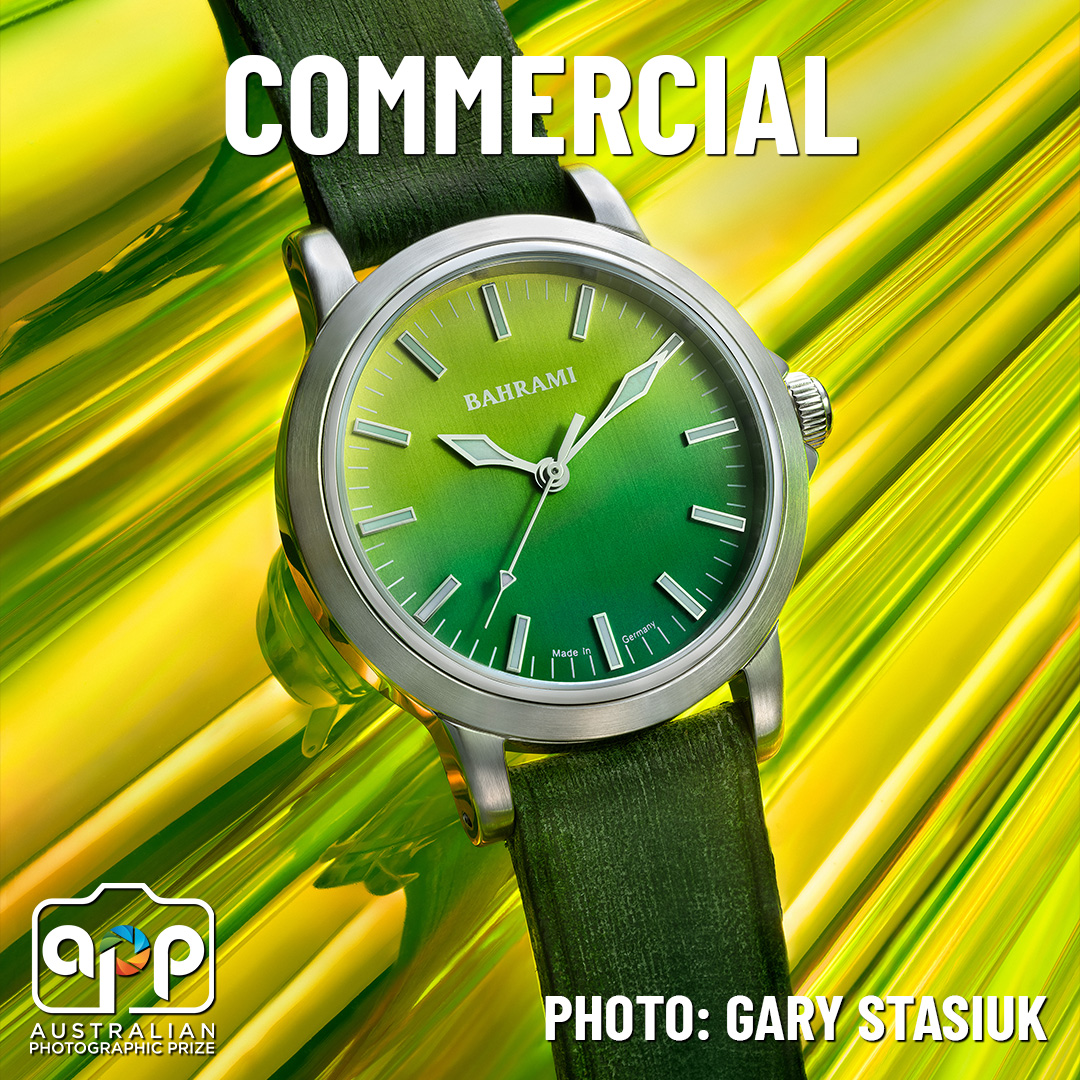
Images suitable for commercial clients in the promotion of a product, brand or company, including advertising, fashion, still life, food, and corporate photography.
Post Production Rules: Open
Both commissioned and non-commissioned entries are permitted. Entries where architecture is the primary subject may be better suited to the Architecture category.
Architecture images may be better suited to the Architecture category.
Title Up to 40 characters (Optional)
A title can help judges engage with your image by giving it meaning beyond what is immediately visible. For example, naming a place or moment for a landscape image, capturing an emotion or theme for a portrait, or providing cultural or historical significance for a documentary image. An effective title complements the image rather than describing what is already obvious. A short, evocative title is often more powerful than a literal or lengthy one. Many images are equally effective with a simple, straightforward title, or with no title at all.Commercial Application Up to 80 characters (Optional)
Describe the commercial application for this image. e.g. Billboard campaign for promoting healthy eating
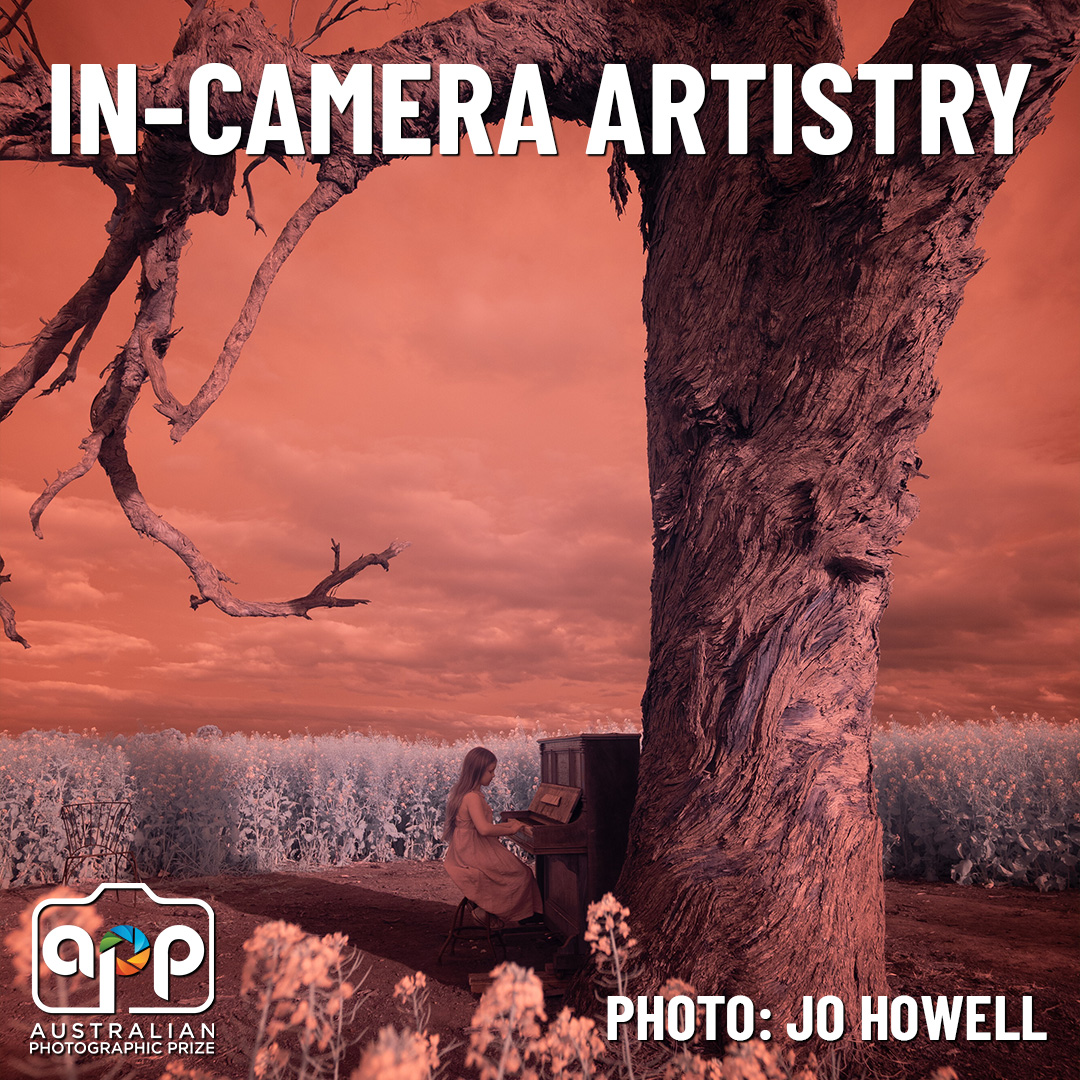
Straight-out-of-camera images of any genre or subject with no post-production of any kind, including cropping. A celebration of pure camera craft, where light, timing, composition, focus, and exposure tell the whole story.
Post-Production Group: Single Capture (special rules apply, see below)
In-Camera Artistry celebrates camera craftsmanship and novel in-camera techniques, recognising images presented exactly as they were captured with no adjustments, retouching, or post-production. Creative in-camera techniques are encouraged, including multiple exposures, intentional camera movement, filters, and creative lighting.
Files must not be edited or altered in any way, either in-camera after capture or through external software.
Submission requirements: RAW file submissions are strongly preferred and considered the ideal format, accompanied by a non-manipulated JPEG rendered directly from that RAW file. Where a camera produces JPEG as its only native capture format, a JPEG may be accepted. In these cases, the file must contain complete and intact metadata and must not have undergone any adjustments, optimisation, or editing of any kind.
Entrants must provide the original capture file at the time of submission to be eligible.
Title Up to 40 characters (Optional)
A title can help judges engage with your image by giving it meaning beyond what is immediately visible. For example, naming a place or moment for a landscape image, capturing an emotion or theme for a portrait, or providing cultural or historical significance for a documentary image. An effective title complements the image rather than describing what is already obvious. A short, evocative title is often more powerful than a literal or lengthy one. Many images are equally effective with a simple, straightforward title, or with no title at all.Additional Information Up to 80 characters (Optional)
Describe any unusual processes, techniques or equipment used to create this image
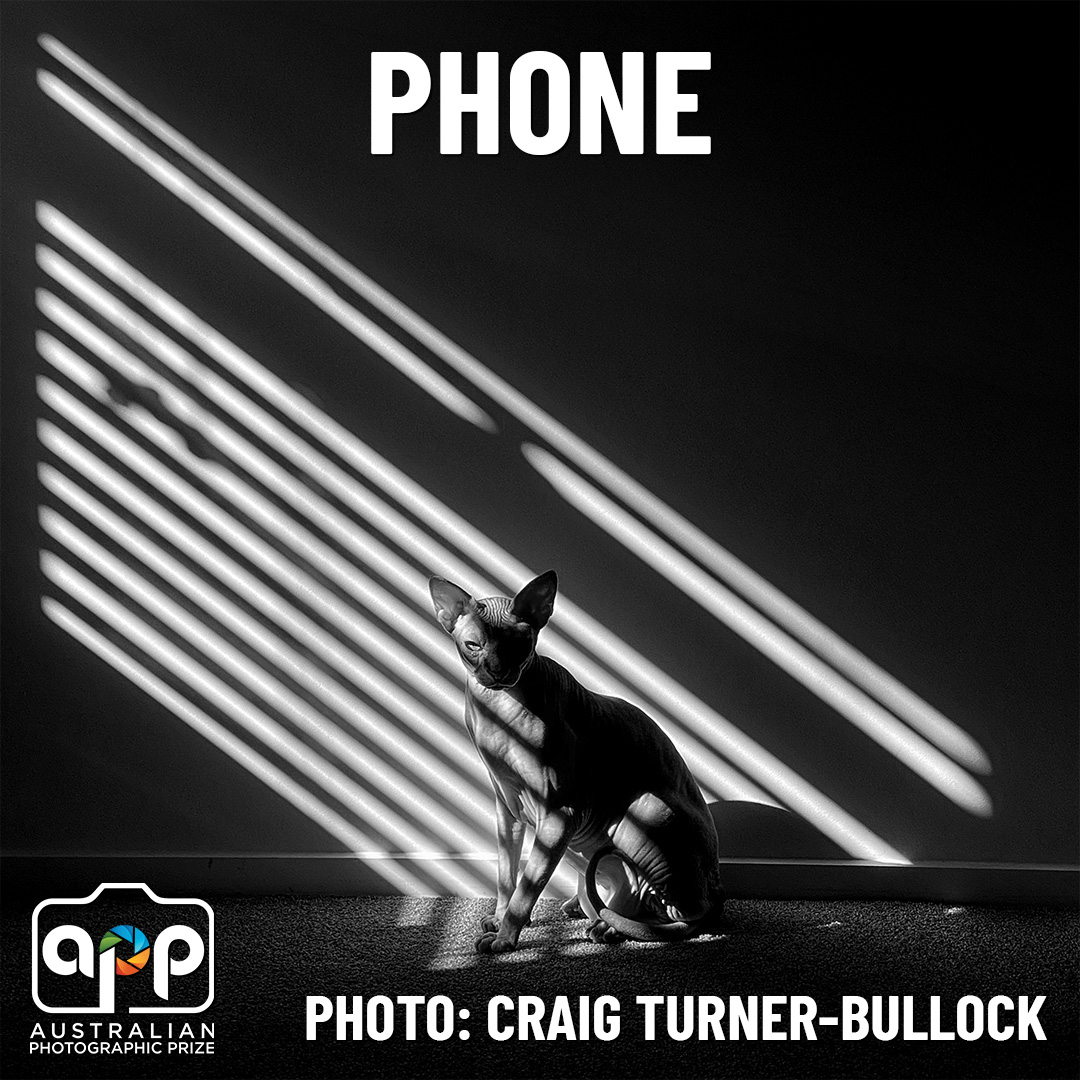
Images captured using only inbuilt phone cameras.
Post Production Rules: Classic
External lenses and other attachments are permitted so long as the phone camera remains the primary image capture device.
Relevant Classic post-production techniques may be applied using phone or computer software. AI generative tools are forbidden as per the AI tool use rule in the General Image Rules.
Title Up to 40 characters (Optional)
A title can help judges engage with your image by giving it meaning beyond what is immediately visible. For example, naming a place or moment for a landscape image, capturing an emotion or theme for a portrait, or providing cultural or historical significance for a documentary image. An effective title complements the image rather than describing what is already obvious. A short, evocative title is often more powerful than a literal or lengthy one. Many images are equally effective with a simple, straightforward title, or with no title at all.
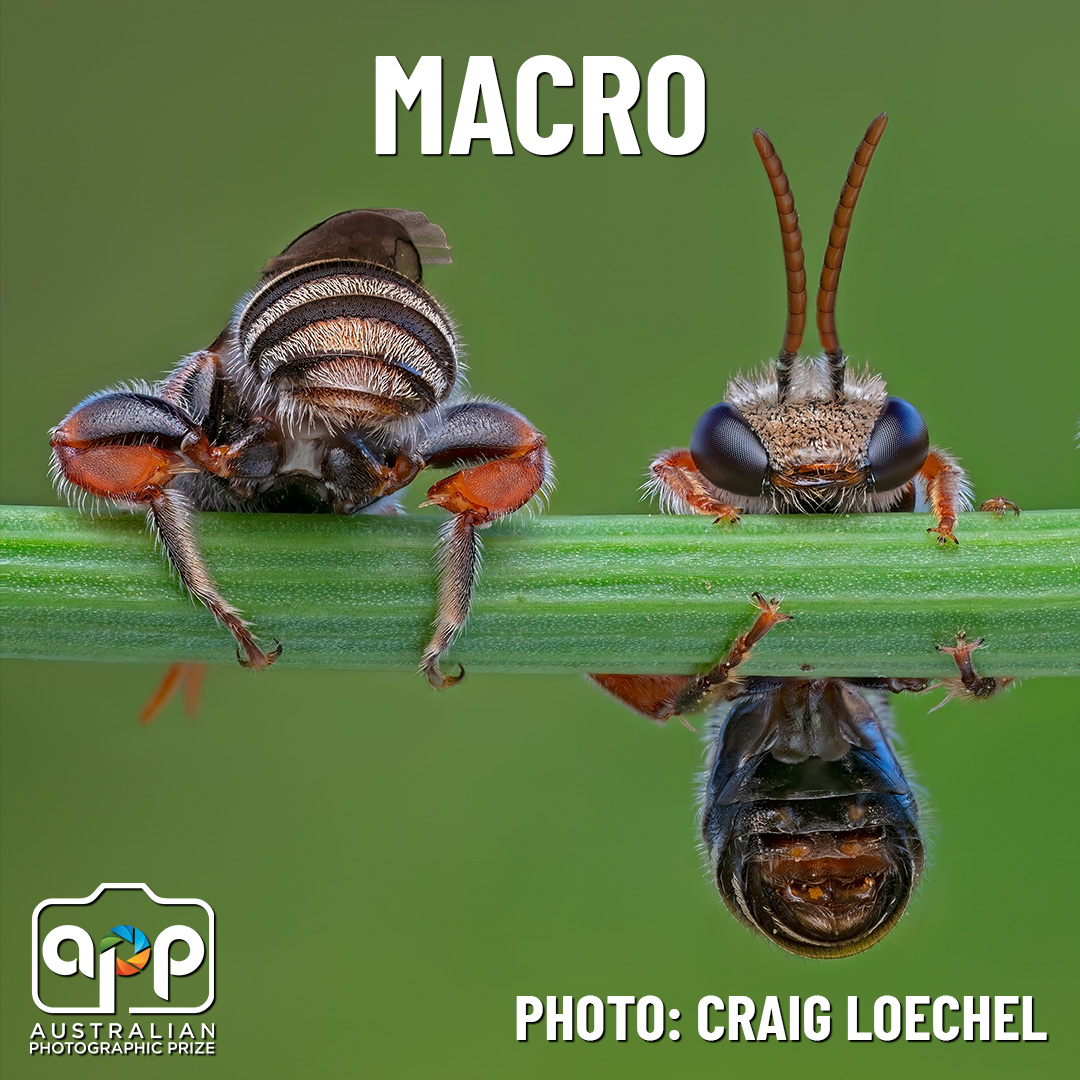
Close-up images that reveal the hidden detail, texture, and beauty of the world at larger than life-size scale, including macro and micro photography.
Post Production Rules: Classic
Images captured through microscopes are allowed. Focus stacking is allowed.
Title Up to 40 characters (Optional)
A title can help judges engage with your image by giving it meaning beyond what is immediately visible. For example, naming a place or moment for a landscape image, capturing an emotion or theme for a portrait, or providing cultural or historical significance for a documentary image. An effective title complements the image rather than describing what is already obvious. A short, evocative title is often more powerful than a literal or lengthy one. Many images are equally effective with a simple, straightforward title, or with no title at all.Additional Information Up to 80 characters (Optional)
Describe any unusual processes, techniques or equipment used to create this image
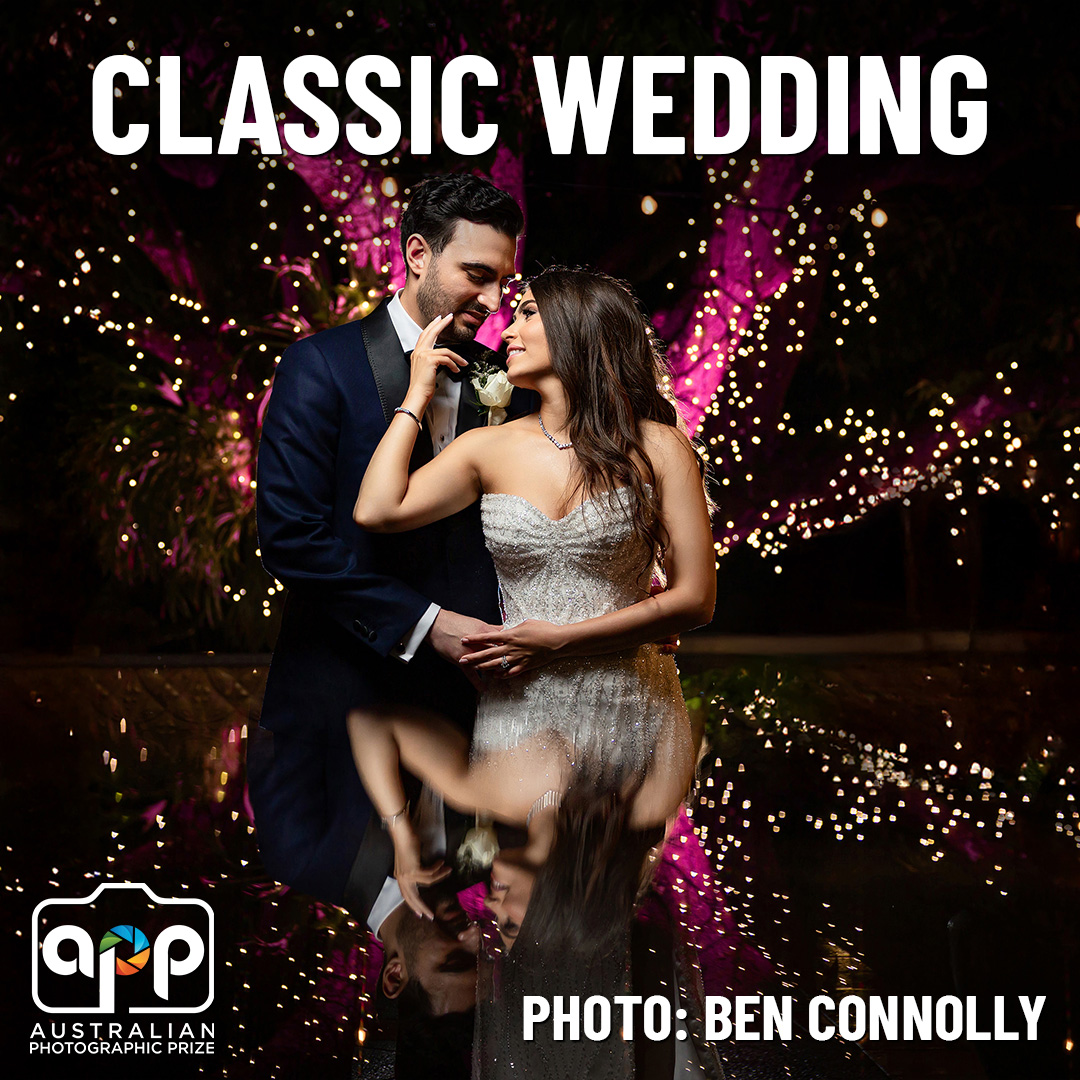
Images captured at genuine wedding-related events, reflecting the story, emotion, and diversity of wedding celebrations across cultures, traditions, and relationships.
Post Production Rules: Classic
Images may feature a single person, a couple, or a group, and may include animals. The primary focus of the image must be people and wedding-related subject matter. Eligible events include hen and buck celebrations, wedding ceremonies, receptions, and trash the dress sessions.
Images from engagement sessions may be better suited to the Family category.
Title Up to 40 characters (Optional)
A title can help judges engage with your image by giving it meaning beyond what is immediately visible. For example, naming a place or moment for a landscape image, capturing an emotion or theme for a portrait, or providing cultural or historical significance for a documentary image. An effective title complements the image rather than describing what is already obvious. A short, evocative title is often more powerful than a literal or lengthy one. Many images are equally effective with a simple, straightforward title, or with no title at all.
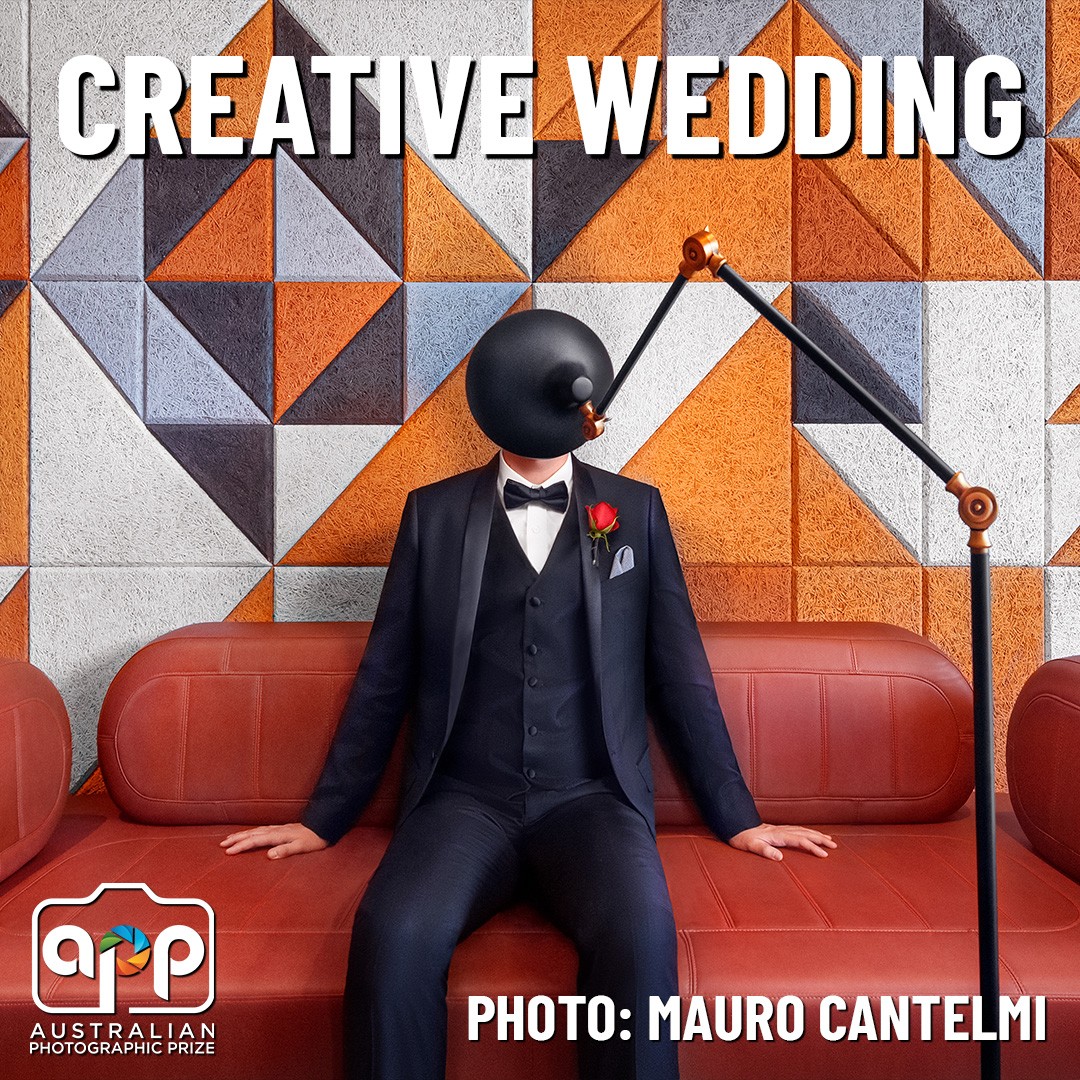
Images captured at genuine wedding-related events, celebrating the diversity of wedding traditions, cultures, and relationships through creative vision.
Post Production Rules: Open
Images may be of a single person, a couple, or a group, and may include animals.
The primary focus of the image must be people and wedding-related subject matter. Creative interpretation, compositing, and extensive post-production are welcome provided the image originates from a genuine wedding event. Eligible events include hen and buck celebrations, wedding ceremonies, receptions, and trash the dress sessions.
Images from engagement sessions may be better suited to the Family category.
Images where post-production is within the Classic post production group rules may be better suited to the Classic Wedding category.
Title Up to 40 characters (Optional)
A title can help judges engage with your image by giving it meaning beyond what is immediately visible. For example, naming a place or moment for a landscape image, capturing an emotion or theme for a portrait, or providing cultural or historical significance for a documentary image. An effective title complements the image rather than describing what is already obvious. A short, evocative title is often more powerful than a literal or lengthy one. Many images are equally effective with a simple, straightforward title, or with no title at all.




The Australian Photographic Prize is an annual all-embracing national Photography Competition for Australian and International amateur, professional and student photographers.
We acknowledge the Traditional Custodians of the unceded lands on which the Australian Photographic Prize does business. We pay our deep respect to the Ancestors and Elders of the Wurundjeri and Bunurong Peoples where our awards are conducted. We also acknowledge all First Nations Peoples that make contributions to our photography community.
COPYRIGHT © 2022 - 2026 AUSTRALIAN PHOTOGRAPHIC PRIZE & AUSTRALIAN PHOTOGRAPHY COMPETITION | ALL RIGHTS RESERVED | TERMS & CONDITIONS PRIVACY | POWERED BY ALTERVATE
Photo: Melanie Sinclair

